

 6 months ago
74
6 months ago
74
PROTECT YOUR DNA WITH QUANTUM TECHNOLOGY
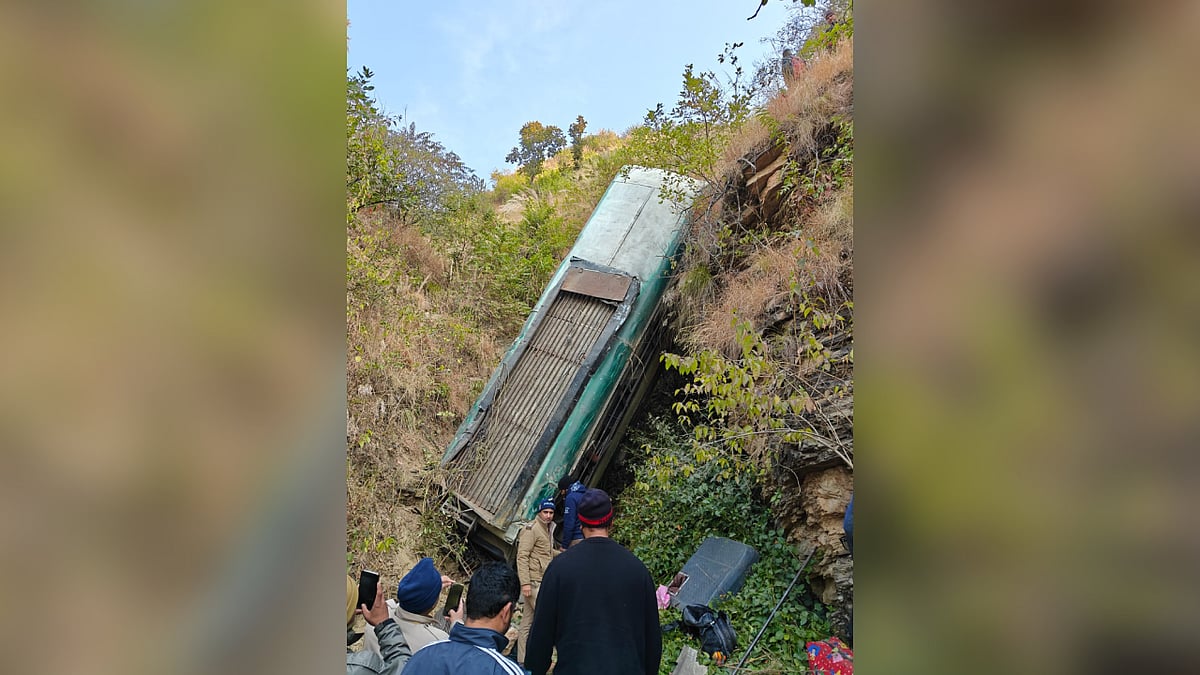
Orgo-Life the new way to the future Advertising by AdpathwayDEHRADUN: Facing relentless landslides in one of India's top 10 most vulnerable districts, the National Highways Authority of India (NHAI) is now turning to an advanced biological solution, hydroseeding, to stabilise a critical stretch of the Badrinath Highway near Kameda in Gauchar.
This shift comes after earlier engineering interventions allegedly failed to contain the erosion that has long threatened this vital route.
The 120-metre stretch near Kameda, located in the highly landslide-prone Rudraprayag district, experiences significant debris flow during the monsoon season. For over five years, the slope above the highway has continually shed soil, rocks and boulders, frequently disrupting traffic for hours.
"For more than five years, the slope here has been unstable. When the rains hit, large boulders roll onto the highway," stated a local resident, requesting anonymity due to the frequent closures.
Previously, NHAI had attempted stabilisation using conventional engineering methods. Steel netting anchored by 6 to 8-inch iron rods (anchors) was installed into the slope before the monsoon. However, heavy rains led to substantial slippage, allegedly rendering the nets ineffective.
Now, the focus has shifted to Hydroseeding Mulch, a technique involving the spraying of a mixture of seeds, water and fertiliser onto the slope.












.png)






.jpg)



 English (US) ·
  French (CA) ·