

 7 months ago
107
7 months ago
107
PROTECT YOUR DNA WITH QUANTUM TECHNOLOGY
Orgo-Life the new way to the future Advertising by AdpathwayNEW DELHI: Antimicrobial resistance is allegedly leading to over a million deaths every year worldwide, a number the World Health Organisation (WHO) warns could rise sharply in the coming decades unless urgent action is taken.
On World AMR Awareness Week, the WHO urged nations to “Act Now: Protect Our Present, Secure Our Future.”
“Antimicrobial resistance (AMR) threatens the very foundations of modern medicine, jeopardising decades of medical progress, as around the world – and particularly in South-East Asia – common infections are becoming harder to treat,” said Dr Catharina Boehme, Officer-in-Charge, WHO South-East Asia (WHO-SEARO).
“It poses one of the greatest dangers to global health, food security, and development. It is already claiming lives, undermining essential treatments and placing enormous strain on health systems,” she added.
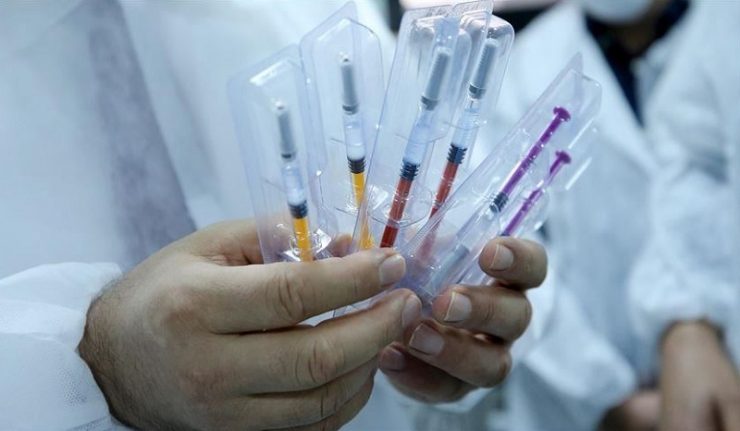
AMR occurs when bacteria, viruses, fungi and parasites no longer respond to antimicrobial medicines. As a result, antibiotics and other antimicrobial medicines become ineffective, making infections difficult or impossible to treat and increasing the risk of disease spread, severe illness, disability and death.
According to the WHO, AMR is one of the top global public health and development threats. It is estimated that bacterial AMR was directly responsible for 1.27 million global deaths in 2019 and contributed to 4.95 million deaths. The misuse and overuse of antimicrobials in humans, animals, and plants are the main drivers in the development of drug-resistant pathogens.
The South-East Asia Region, which includes India, faces distinctive challenges such as diverse health systems, varying levels of access to medicines, and unique patterns of antimicrobial usage.
“In responding to these, we have opportunities for innovation and leadership through fostering regional partnerships, investing in laboratory capacity, and supporting community-based initiatives,” Dr Boehme said.
She said that building on the momentum of the 2024 United Nations General Assembly High-level Meeting on AMR, the current call to action urges all stakeholders, governments, civil society, health-care providers, veterinarians, farmers, environmental actors and the public — to translate political commitments into tangible, accountable and life-saving interventions.











.png)






.jpg)



 English (US) ·
  French (CA) ·