

 7 months ago
71
7 months ago
71
PROTECT YOUR DNA WITH QUANTUM TECHNOLOGY
Orgo-Life the new way to the future Advertising by Adpathway"It was composed in 1907 by the revolutionary Chempakaraman Pillai from Travancore, Kerala. Between 1914-1918, Pillai was active in the Indian freedom movement in Germany. He was the first to use 'Jai Hind' as a greeting and slogan among Indian revolutionaries living abroad," she said.
"In 1943-44, Netaji Subhas Chandra Bose and the Azad Hind Fauj made 'Jai Hind' their official greeting and slogan, making it even more popular. Netaji would end all his speeches and radio messages broadcast from South East Asia and Germany with 'Jai Hind'. Netaji chose it because it was secular and united everyone," the Congress spokesperson added.
Shrinate said after independence in 1947, 'Jai Hind' was adopted by the Indian armed forces as their official greeting and salute and even today, it instills a sense of patriotism in the army, paramilitary forces, and every Indian.
Prime Minister Jawaharlal Nehru made it even more popular. He would often end his speeches with 'Jai Hind', she noted.
Talking of 'Vande Mataram', she said, it is that glorious slogan and song in our history that gives India the status of a mother and pays homage to her, while bowing to her.
Written in 1870 by Bankimchandra Chattopadhyay, it was first sung by Rabindranath Tagore at the 1896 Indian National Congress session and in 1905, during the Swadeshi movement, it became the political and nationalist slogan of the masses, she said.
"Between 1906–1910, the British regime repeatedly banned it, leading to arrests for singing it. Whether it was protests for Swaraj or marches for independence, 'Vande Mataram' was always on the lips of the great heroes of freedom. Revolutionaries like Bhagat Singh and Khudiram Bose raised the slogan 'Vande Mataram' during their trials and at the time of hanging. On 24 January 1950, India's Constituent Assembly declared 'Vande Mataram' as India's national song.
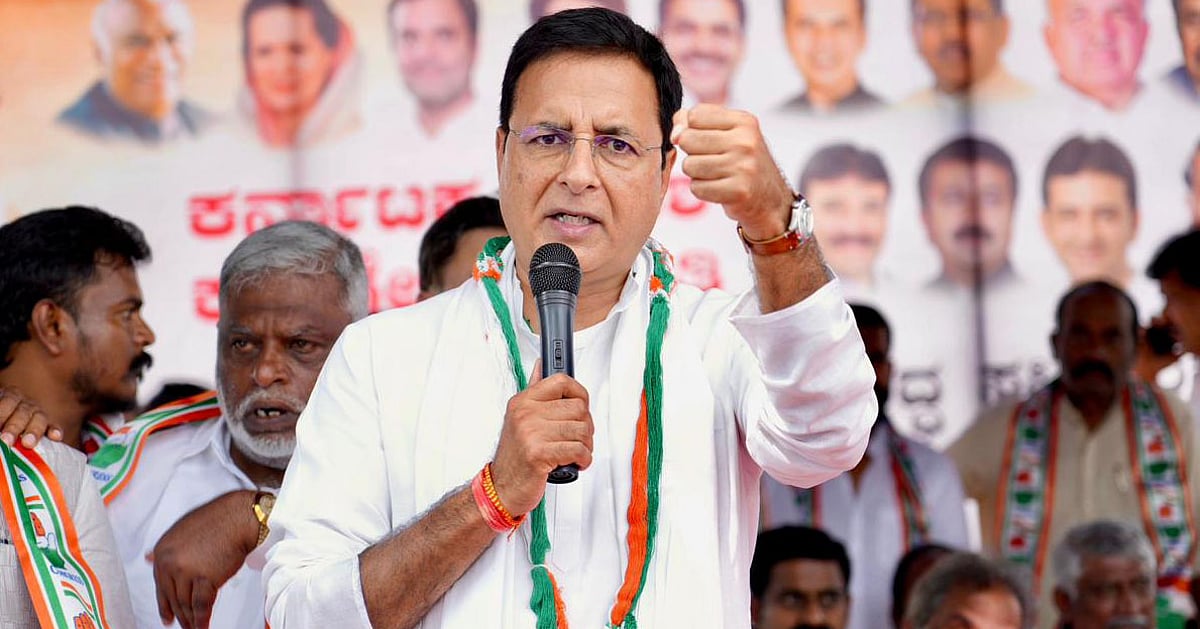
"Now think about it: who could possibly have a problem with these slogans? Only those who didn't even lose the tiniest bit of a little fingernail in the freedom movement. Those who were slaves and informants to the British," the Congress leader said.
The advisory, mentioned in the 'Handbook for Members of Rajya Sabha', was issued ahead of the commencement of the parliamentary session on December 1.
"The decorum and the seriousness of the proceedings of the House require that there should be no 'Thanks', 'Thank You', 'Jai Hind', 'Vande Mataram' or any other slogans raised in the House," the Rajya Sabha notification said, while reminding MPs to observe the parliamentary customs and conventions.
Sources in the Rajya Sabha Secretariat said that this is not the first time such an instruction has been issued. A similar circular was released during the UPA-led government in November 2005, also emphasising that raising slogans like 'Jai Hind' and 'Vande Mataram' was inconsistent with parliamentary customs and etiquette.













.png)





.jpg)



 English (US) ·
  French (CA) ·