

 5 months ago
79
5 months ago
79
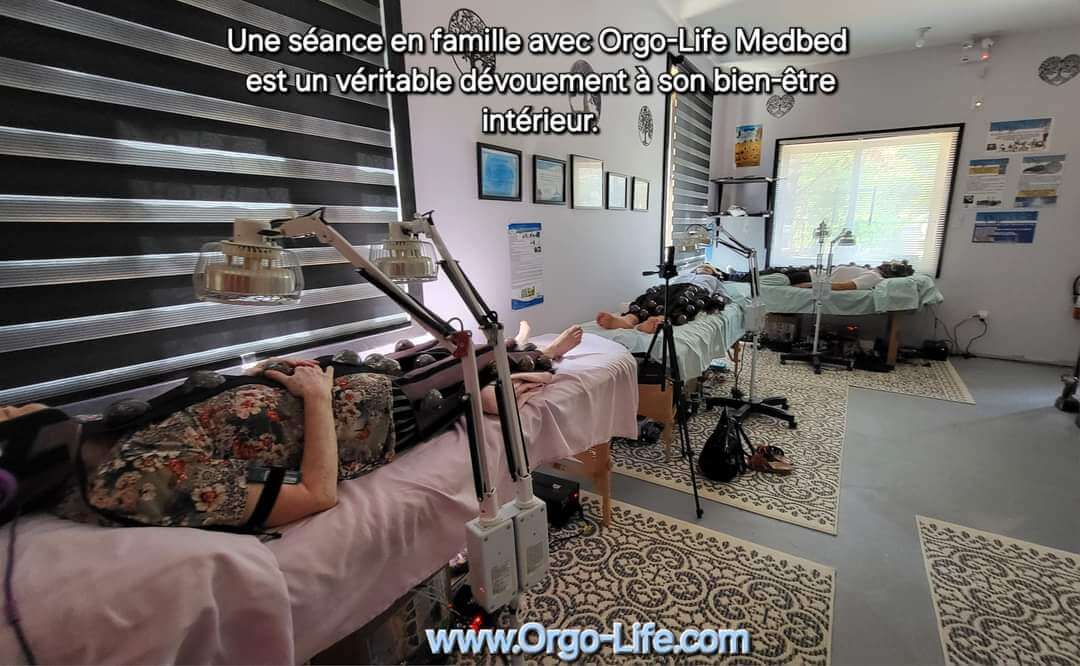
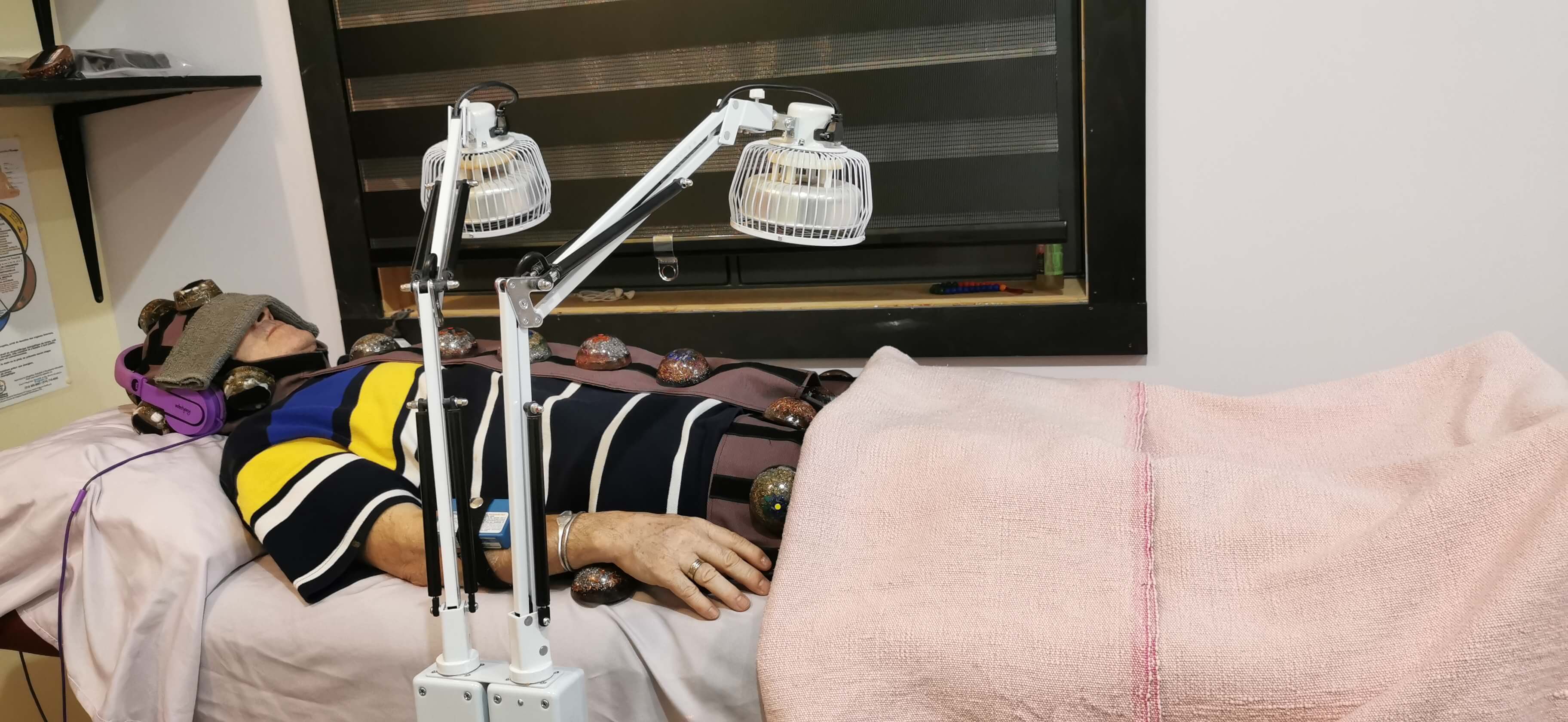
PROTECT YOUR DNA WITH QUANTUM TECHNOLOGY
Orgo-Life the new way to the future Advertising by Adpathway
Account freezes, social and financial erasure, and political blacklisting, without trial or conviction. This is no longer the domain of distant authoritarian states but a growing feature of the European Union’s sanctions regime. Behind the rhetoric of liberal democracy, the EU has constructed a mechanism that can be turned inward, targeting its own citizens and residents while circumventing due process.
The recent inclusion of journalists, analysts, and political activists living in or closely associated with Europe on EU sanctions lists has sent shockwaves through independent media circles. These are not criminals convicted of wrongdoing, nor even individuals accused of breaking the law. They are people engaged in speech, journalism, and activism that remain entirely legal under European law, yet deemed politically inconvenient. The consequences are severe and immediate: frozen bank accounts, terminated services, financial isolation, and a sudden inability to function in everyday life.
At present, the EU’s sanctions list against Russia includes 59 individuals and 17 entities, which you can view here.
On December 21, 2025, more than 300 scholars, diplomats, journalists, and worried Swiss citizens urged Switzerland’s leading diplomat and the Swiss Federal Department of Foreign Affairs to take diplomatic action with the European Union on behalf of their fellow citizens, Col. Jacques Baud and Nathalie Yamb. Their open letter is available here.
Readers should be reminded that the political phenomenon of fascism was created and pioneered in Europe. The current regime in Brussels is clearly trying to revive this tyrannical artifact of European history, now driven by a transnational corporate-controlled digital technocracy.
The following article, authored by Pascal Lottaz, an associate Professor for neutrality studies at Kyoto University’s Faculty of Law & Hakubi Centre, examines how the EU has constructed a system that is formally legal yet functionally authoritarian, exploiting foreign-policy powers to bypass domestic legal protections. Its most dangerous feature is its extralegal nature: a regime of coercion that requires no trial, no evidence, and no accountability.
What was designed to project power outward is now being turned inward, and the implications for free expression and the rule of law are profound.
Pascal Lottaz write on Pascal’s Substack…
What Goes Around: The EU’s Extralegal Sanctions Regime
EU Sanctions against the bloc’s own citizens and residents are a horrible development toward a totalitarian future. Their extralegal nature is what gives them their force. An explanation attempt.
It has come as a shock to many of us in the alternative media sphere when, on December 15, the EU put the esteemed analyst, political commentator, and former Swiss Army colonel Jacques Baud, on its Russia-Sanctions list. He was one of several newly sanctioned individuals (alongside, for instance, the popular French journalist, Xavier Moreau). Baud is already the second Swiss to be sanctioned. In June 2025, the EU announced that Nathalie Yamb, a Swiss-Cameroonian activist against neocolonialism, would be sanctioned.
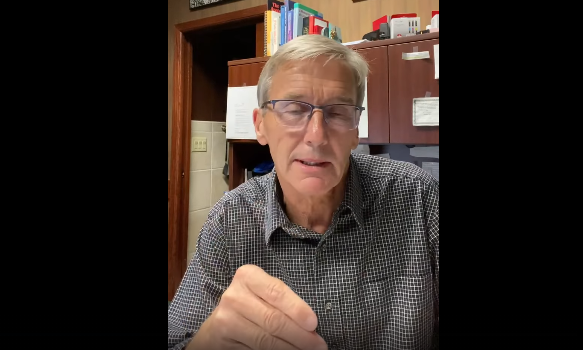
Being on the EU sanctions list is a devastating event for the people concerned, especially if they reside in an EU country or a closely associated state like Switzerland, Norway, or the UK. It means banks will freeze their accounts, credit companies will cancel their cards, they are not allowed to enter into contracts with EU-affiliated companies or private persons, and no business in the EU is allowed to have dealings with them, which, in theory, even precludes them from buying bread and other necessities of life. Furthermore, many international businesses will cancel all their services to them, including mail providers, social media platforms, etc. Even Swiss banks freeze or cancel accounts, out of fear they might get in trouble if they don’t comply with EU regulations. I recently interviewed two sanctioned people, Nathalie Yamb and Hüsseyin Dogru, and their testimonies are heartbreaking. For an equally harrowing account by Jacques Baud, see the most recent interview with him on Nima Alkhorshid’s ‘Dialogue Works’ channel. Nathalie also posted the short video below, in which she gives an overview of the ordeal (post in French, subtitles in English).
Read More: From Democracy to Dystopia: Brussels’ Blacklist Hits Home







.png)


.jpg)

 English (US) ·
  French (CA) ·