

 6 months ago
66
6 months ago
66
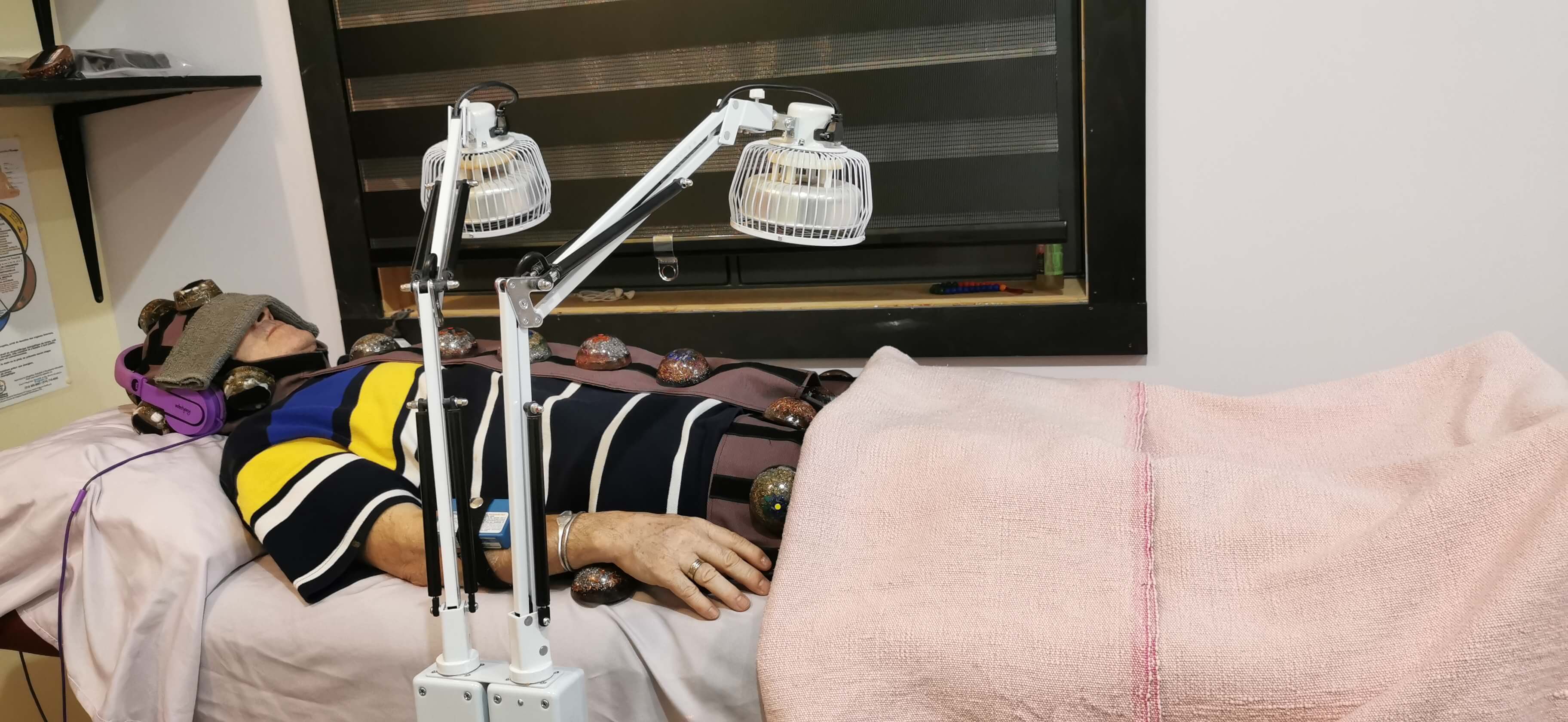
PROTECT YOUR DNA WITH QUANTUM TECHNOLOGY
Orgo-Life the new way to the future Advertising by AdpathwayA key focus of the overhaul is fixing the weak link that has plagued ASI for decades, the preparation and publication of excavation reports. In several cases, findings have not been submitted to ASI headquarters for years after fieldwork ended.
To address this, ASI plans to enforce firm deadlines. Excavators have been told to submit a primary report within three months of completing fieldwork, supported by fortnightly updates. Analytical components that require laboratory testing can follow later.
Annual reports, officials said, must also be filed on schedule and full project reports completed within three years. The Survey currently has over 20 active excavation sites, supported by six dedicated excavation branches in Nagpur, Delhi, Patna, Bhubaneswar, Vadodara and Mysore. Recent work includes the fortified ancient city at Vadnagar in Gujarat, Rakhigarhi in Haryana, and Hastinapur in Uttar Pradesh.
To avoid the chronic post-fieldwork gaps that slow down documentation, excavation teams will now be required to remain on site for additional days after digging concludes. “Surveyors, archaeologists, photographers, they come from different units. Once they disperse, coordination becomes difficult. The team must stay together to finish preliminary records and compile the basic report,” an official said.












.png)





.jpg)



 English (US) ·
  French (CA) ·