

 7 months ago
59
7 months ago
59
PROTECT YOUR DNA WITH QUANTUM TECHNOLOGY
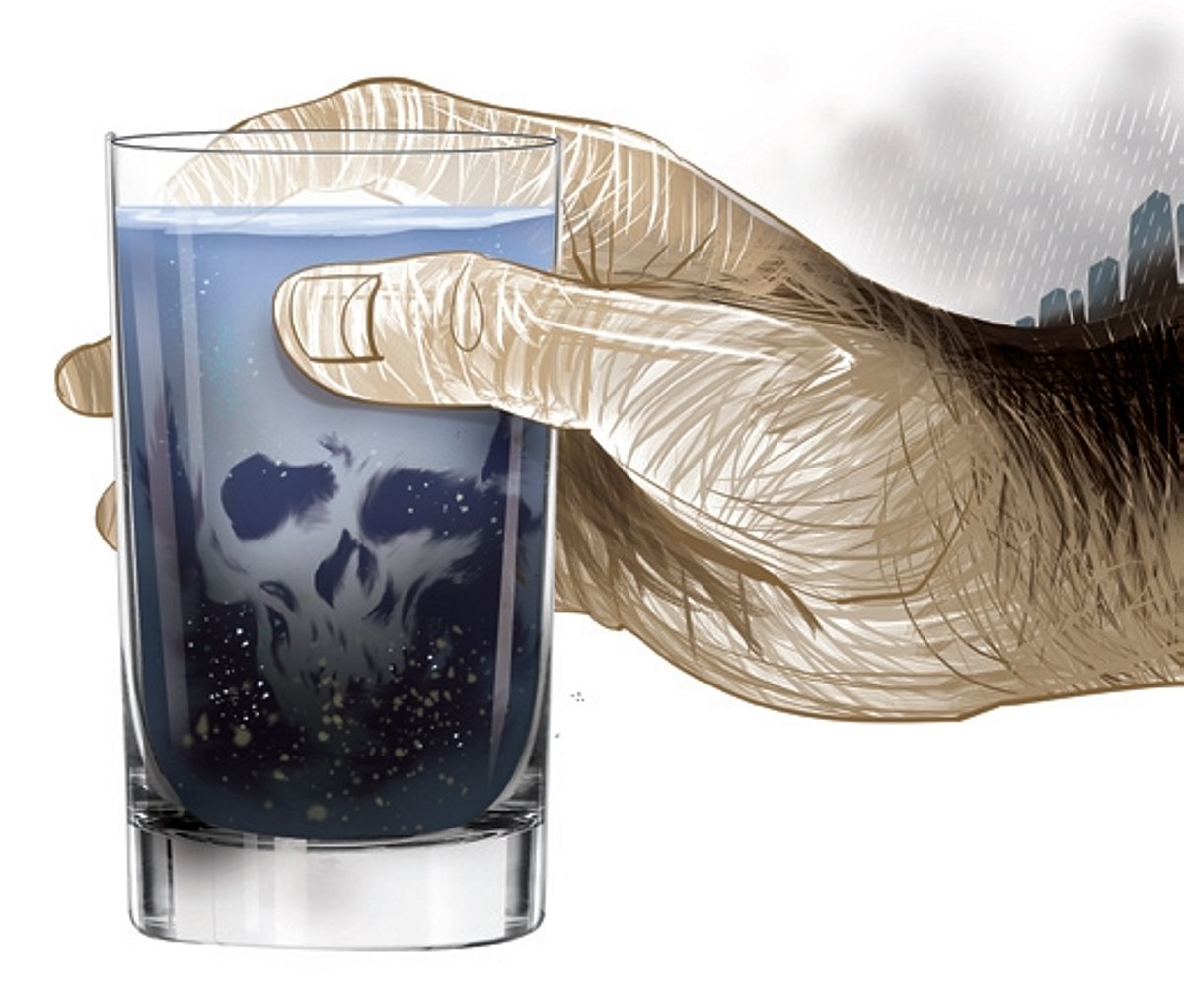
Orgo-Life the new way to the future Advertising by AdpathwayThe report further stated, "Spatially, northwestern India (Punjab, Haryana, Delhi, parts of Rajasthan and Uttar Pradesh) emerged as the main hotspot of uranium contamination, likely due to geogenic factors, groundwater depletion, and aquifer characteristics. In contrast, eastern and southern India recorded minimal contamination. Overall, the study shows that while most groundwater in India is safe, certain regions face rising uranium levels, emphasising the need for regular monitoring and local mitigation measures to protect drinking water quality and health.’’
Meanwhile, fluoride levels exceeding 1.5 mg/L were detected in 11.24 per cent of samples in Punjab, while the national exceedance was at 8.05 per cent.
Interestingly, Rajasthan topped this category with 41.06 per cent, followed by Haryana with 21.82 per cent.
"High fluoride occurrences are prominently observed in the arid and semi-arid regions of Rajasthan, Gujarat, Madhya Pradesh, Telangana, Andhra Pradesh, Karnataka, and parts of Odhisa. Excessive fluoride in groundwater used for drinking poses a significant health concern, as prolonged consumption can lead to waterborne fluorosis, manifesting in dental and skeletal disorders,’’ it stated.
It adds that nitrate in drinking water is a serious health concern. "It mainly comes from excessive use of fertilisers, animal waste, and sewage seeping into groundwater. In India, nearly 20.71 per cent of groundwater samples have been reported to exceed the permissible limit of 45 mg/L, as prescribed by the World Health Organisation (WHO) and the Bureau of Indian Standards (IS 10500) for drinking water quality,’’ report states.
In the pre-monsoon, Nitrate ranges from BDL to 2070 mg/L with a mean value of 32 mg/L.
High nitrate concentrations are prominently observed in northwestern and central India, particularly in the states of Rajasthan, Haryana, Punjab, Gujarat, Madhya Pradesh, and Maharashtra, extending further into parts of Telangana, Andhra Pradesh, Karnataka, and Tamil Nadu.
These areas correspond largely to alluvial and hard-rock aquifers, where intensive agricultural practices, excessive fertiliser application, and improper disposal of domestic and animal wastes contribute to nitrate enrichment.
Elevated nitrate remained one of the most widespread contaminants.
The highest levels in Rajasthan 50.54 per cent followed by Karnataka 45.47 per cent, and Tamil Nadu 36.27 per cent, Punjab 14.6 per cent and Haryana 14.18 per cent as the national exceedance was 20.71 per cent.
Elevated nitrate levels in the Indo-Gangetic plains (Uttar Pradesh, Bihar and West Bengal) indicate impacts of shallow groundwater vulnerability due to unlined sanitation systems and leaching from agriculture fields.













.png)






.jpg)



 English (US) ·
  French (CA) ·