

 5 months ago
48
5 months ago
48

The war in Ukraine has become one of the most complex and dangerous conflicts of the 21st century. What began as a regional crisis has evolved into a prolonged and devastating war with far-reaching humanitarian, political, and economic consequences. After years of intense fighting, tens of thousands of casualties, and the displacement of millions of civilians, the conflict continues to destabilize Eastern Europe and strain international institutions. Sanctions, energy disruptions, and military aid packages have reshaped global markets and alliances, demonstrating that the war’s impact extends far beyond Ukraine’s borders. Despite repeated diplomatic initiatives and peace proposals, a durable settlement remains elusive, and the prospect of a swift resolution appears increasingly remote.
Русский, Español, 中文, Portugues, Français, عربي, Hebrew, Deutsch, Farsi, Italiano, 日本語, 한국어, Türkçe, Српски. And 40 more languages.
Most international efforts to resolve the conflict emphasize Ukraine’s central role in any negotiations. As the sovereign state whose territory has been invaded, Ukraine is widely recognized as the primary stakeholder in determining the terms of peace. Western governments, international organizations, and legal scholars generally maintain that excluding Ukraine from talks would undermine its sovereignty and violate principles of international law. From this perspective, lasting peace can only be achieved through negotiations that fully respect Ukraine’s political independence, territorial integrity, and democratic legitimacy.
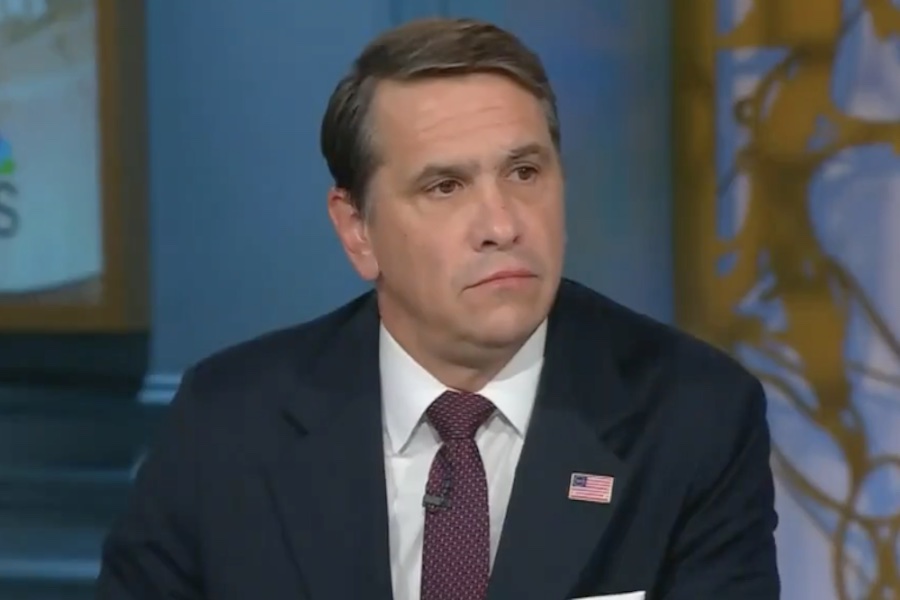
Nevertheless, some analysts reasonably argue that a more realistic and potentially effective path to peace may require direct negotiations between Russia and the United States, even if such talks initially occur without Ukraine at the table. This view may sound controversial and could be widely disputed, yet it reflects a growing school of thought that interprets the conflict less as a purely bilateral war and more as a proxy struggle between major powers. According to this perspective, Ukraine has become a central battleground in a broader contest between Russia and the Western-led security order, particularly NATO and the United States. Military aid, intelligence sharing, and economic sanctions have deepened Western involvement, leading some observers to conclude that Washington plays a decisive role in shaping the conflict’s trajectory.[1]
Proponents of U.S.–Russia negotiations argue that, because the United States is Russia’s primary strategic rival and Ukraine’s most important supporter, meaningful progress toward peace may be impossible without direct engagement between these two powers. They point to historical precedents, such as Cold War arms control agreements and crisis negotiations, in which rival superpowers reduced tensions through bilateral dialogue. From this standpoint, talks between Moscow and Washington could address core security concerns, including NATO expansion, regional military deployments, and sanctions regimes, thereby creating conditions more favorable to a broader settlement.
The War as a Geopolitical Power Struggle
Supporters of U.S.–Russia-only negotiations often begin with a broader and more systemic interpretation of the conflict. From this perspective, the war in Ukraine is not viewed solely as a struggle over national sovereignty, territorial integrity, or regional security. Instead, it is understood as the latest manifestation of a long-standing contest over the post–Cold War balance of power in Europe and the wider international order.[2]
According to this interpretation, the roots of the conflict lie in decades of shifting security arrangements following the collapse of the Soviet Union. NATO’s steady eastward expansion into former Warsaw Pact countries and former Soviet republics is frequently cited as a major source of Russian insecurity and resentment. While Western governments have framed this expansion as a voluntary process driven by the desire of Eastern European states to protect themselves, critics argue that it effectively narrowed Russia’s strategic buffer zone and altered the regional balance of power.
In addition to NATO enlargement, Western military assistance to Ukraine has significantly deepened U.S. and allied involvement in the conflict. Since 2014, and especially since 2022, the United States and its partners have supplied Ukraine with advanced weapons systems, training, intelligence, and logistical support. This assistance has enabled Ukraine to sustain large-scale military operations and resist Russian advances, but it has also reinforced Moscow’s perception that it is confronting not only Ukraine, but a Western-backed coalition.[3]
Furthermore, U.S. involvement in shaping Ukraine’s security and defense policies has strengthened Washington’s role as a central strategic actor. Through defense cooperation agreements, advisory missions, and political coordination, the United States has helped influence Ukraine’s military modernization and long-term security orientation. From the realist viewpoint, this involvement blurs the line between Ukrainian autonomy and Western strategic interests.
Taken together, NATO expansion, military assistance, and policy coordination have, in the eyes of proponents of this perspective, transformed the conflict into a confrontation between Russia and the Western alliance led by the United States. Ukraine, in this framework, is seen not merely as an independent belligerent defending its territory, but as a frontline state positioned at the center of a broader geopolitical struggle.
Within this analytical model, Moscow and Washington are regarded as the principal architects of the conflict’s strategic environment. They possess the military capabilities, economic resources, and diplomatic leverage necessary to shape outcomes on a continental scale. By contrast, Kyiv is often portrayed as operating with limited strategic autonomy, largely because of its reliance on Western financial assistance, military supplies, and intelligence sharing. While Ukraine retains formal sovereignty and political agency, its room for maneuver is constrained by its dependence on external support and alliance commitments.
Negotiating with the Real Power Brokers
Building on this interpretation, proponents of U.S.-Russia-only negotiations argue that effective diplomacy must focus on the actors with the greatest capacity to influence the war’s direction. In their view, successful peace processes depend less on formal representation and more on engaging those who can credibly implement and enforce agreements.
From this standpoint, the United States and Russia occupy uniquely powerful positions. The United States is Ukraine’s largest provider of military aid, economic assistance, and diplomatic backing. Through its leadership role within NATO and its influence over international financial institutions, Washington plays a decisive role in determining the scale and sustainability of Ukraine’s war effort. Its policy choices affect the availability of weapons systems, intelligence cooperation, sanctions enforcement, and reconstruction funding.[4]
Russia, for its part, controls the primary instruments of escalation and de-escalation. It determines the intensity of military operations, the scope of territorial occupation, and the level of pressure exerted on Ukrainian infrastructure and civilian populations. Moscow’s decisions regarding mobilization, missile strikes, and ceasefires directly shape the conflict’s dynamics and humanitarian consequences.
Ukraine’s negotiating position, in this framework, is therefore seen as heavily conditioned by Western support. Although Ukrainian leaders articulate their own strategic objectives, their ability to pursue these goals depends largely on continued external assistance. Shifts in U.S. political priorities, budgetary constraints, or alliance cohesion can significantly alter Kyiv’s leverage at the negotiating table.
Advocates of this approach consequently argue that any peace agreement lacking full endorsement from both Washington and Moscow is unlikely to be durable. Without U.S. backing, Ukraine may lack the resources to uphold security guarantees or reconstruction commitments. Without Russian consent, ceasefire arrangements and territorial settlements may collapse under renewed military pressure.
From this perspective, direct negotiations between the United States and Russia could reduce diplomatic complexity and minimize misunderstandings. By bypassing multiple intermediaries and parallel negotiation tracks, bilateral talks might allow the principal power brokers to address core security concerns more directly. These could include NATO’s future posture, arms control arrangements, sanctions relief, and regional force deployments.
Supporters contend that such streamlined diplomacy could produce clearer, more enforceable agreements, grounded in mutual recognition of strategic realities. While controversial, this approach reflects a realist belief that stable peace is most often achieved when major powers reach accommodations with one another, even when smaller states are deeply affected by the outcome.
Reducing Political and Emotional Barriers
Another argument in favor of U.S.-Russia-only negotiations emphasizes the emotional and political realities faced by countries at the center of armed conflict. In Ukraine, years of war have imposed immense human, economic, and psychological costs. Tens of thousands of lives have been lost, millions of civilians have been displaced, and urban centers have been heavily damaged. In this context, Ukrainian leaders face overwhelming domestic pressure to maintain a hardline stance, particularly on sensitive issues such as territorial integrity, sovereignty, and alignment with Western institutions. Any concessions, whether on territory, neutrality, or future security arrangements, can quickly be framed by political opponents or the public as acts of betrayal, creating a high-risk environment for compromise.
This political and emotional constraint often limits Ukraine’s flexibility at the negotiating table. Decisions must account not only for strategic calculations but also for domestic perceptions, public sentiment, and the moral imperative of protecting citizens who have suffered enormous losses. Even discussions about ceasefires, partial territorial concessions, or conditional neutrality can provoke domestic backlash, making compromise politically dangerous and potentially destabilizing.
By contrast, U.S. and Russian leaders may have relatively more political space to negotiate difficult trade-offs. While both are accountable to their domestic constituencies, their decisions are less constrained by immediate exposure to the battlefield’s devastation. In practical terms, this flexibility can enable them to consider measures that are necessary for conflict resolution but politically fraught for Ukraine, including:
- Security guarantees: Negotiating arrangements that address Russia’s stated security concerns while reassuring other regional actors and NATO members.
- Military de-escalation: Establishing frameworks for gradual withdrawal, ceasefires, or limitation of offensive operations to reduce ongoing casualties.
- Sanctions relief: Coordinating steps to relax or lift economic sanctions in exchange for verifiable compliance or territorial arrangements.
- Long-term regional arrangements: Designing post-conflict governance structures, buffer zones, or multilateral oversight mechanisms that create durable stability.
Proponents of this approach argue that negotiations dominated by the immediate victims of war are prone to deadlock, as trauma, anger, and high public expectations can harden positions and reduce willingness to compromise. In contrast, great-power diplomacy, while sometimes morally uncomfortable, has historically demonstrated greater capacity for pragmatic compromise, as seen in Cold War negotiations over arms control and crisis management. By allowing the principal power brokers to focus on systemic security and strategic trade-offs, advocates contend that the conflict’s structural issues can be addressed more effectively, creating conditions for a sustainable peace that might otherwise be unattainable.[5]
Historical Precedents
Supporters of U.S.-Russia-only negotiations often cite historical examples in which major powers negotiated over the futures of smaller states or contested regions, demonstrating that agreements reached among the principal actors can lay the groundwork for durable peace. These precedents illustrate how diplomatic engagement at the level of the dominant powers can sometimes resolve conflicts that might otherwise remain intractable when local actors are politically constrained or directly traumatized by war.
One frequently cited example is the Cuban Missile Crisis of 1962, where the United States and the Soviet Union negotiated a direct settlement to avoid nuclear escalation. Despite the high stakes and domestic political pressures in both countries, the principal powers were able to make strategic compromises such as the U.S. agreeing to remove missiles from Turkey and the USSR withdrawing missiles from Cuba that ultimately prevented a catastrophic conflict. Importantly, the crisis resolution relied on high-level dialogue between the two superpowers rather than the involvement of other regional actors.[6]
Similarly, Cold War arms control agreements, including the Strategic Arms Limitation Talks (SALT I and II) and the Intermediate-Range Nuclear Forces (INF) Treaty, show that systemic security challenges can be managed through negotiation among the key powers. These agreements addressed overarching security dilemmas and established frameworks for verification and restraint. While smaller allied states were affected by these decisions, the negotiations themselves were conducted at the highest strategic level, reflecting the principle that enduring solutions often require the consent and active participation of the dominant actors.[7]
Another relevant case is the Dayton Accords of 1995, which ended the Bosnian War. While local leaders participated in formal negotiations, the overarching framework was heavily influenced by the United States and NATO allies, who shaped key elements of the agreement, including territorial divisions, governance structures, and security guarantees. The accords illustrate how external powers can create conditions that allow war-torn societies to stabilize, even when the primary actors face intense domestic pressures that make compromise politically difficult.[8]
Additionally, numerous Cold War-era settlements over divided territories and spheres of influence ranging from Germany and Berlin to Korea and Vietnam demonstrate that great powers often negotiate first and implement agreements later on the ground. These cases highlight the strategic logic of addressing core power concerns directly, which can create an environment where local actors subsequently implement and adapt arrangements within a stable framework.[9]
From this perspective, advocates of U.S.–Russia-only negotiations argue that similar mechanisms could be applied to Ukraine. High-level talks between Washington and Moscow could establish a strategic framework addressing the structural security and territorial questions that underpin the conflict. Once such a framework is agreed upon, Ukraine could then secure its future within parameters set by the primary power brokers, potentially reducing the risk of prolonged stalemate or escalation while still allowing for domestic implementation and adjustments that respect Ukrainian sovereignty.
Ending the Proxy War Dynamic
Analysts who view Ukraine as a proxy battlefield argue that the conflict will continue as long as major powers treat it primarily as a test of credibility, influence, and strategic positioning. From this perspective, the war is less about Ukrainian territory per se and more about demonstrating resolve: Washington seeks to uphold NATO credibility and constrain Russian power, while Moscow frames the struggle as essential to resisting Western encroachment and defending its perceived sphere of influence. This dynamic creates strong incentives for escalation, as both sides are judged domestically and internationally by their ability to resist the other, leaving little room for compromise.
In such a framework, the continuation of the war becomes structurally embedded. Military aid, economic sanctions, and diplomatic maneuvers reinforce the perception that the conflict is a proxy for great-power rivalry rather than a conventional war between neighboring states. Analysts note that as long as the United States prioritizes weakening or defeating Russia as a strategic objective, and as long as Moscow views resisting Western influence as existential, incentives for compromise remain weak. Efforts by Ukraine alone to negotiate peace are constrained by these broader structural pressures, as concessions might be undermined or nullified by the strategic interests of the great powers.
Proponents of direct U.S.–Russia negotiations argue that engagement at the level of the principal actors could reframe the conflict away from a zero-sum proxy competition and toward strategies of mutual risk reduction. Rather than viewing the war solely in terms of battlefield gains or symbolic victories, negotiations could focus on systemic security priorities and stabilizing mechanisms that reduce the risk of catastrophic escalation. Key areas of focus could include:
- Preventing nuclear escalation: Establishing credible communication channels, de-escalation protocols, and agreements that reduce the risk of deliberate or accidental nuclear use.
- Stabilizing European security: Negotiating arrangements that clarify military postures, force deployments, and buffer zones, reducing the likelihood of sudden escalation or inadvertent conflict across borders.
- Restoring predictable relations: Developing frameworks for economic, diplomatic, and security interactions that reintroduce predictability into bilateral and regional relations, creating incentives for restraint and long-term planning.
From this viewpoint, a sustainable peace is unlikely until the United States and Russia recognize that continued confrontation imposes higher costs than compromise. By addressing the conflict’s structural and strategic dimensions directly, great-power diplomacy could transform the war from a high-stakes proxy contest into a managed negotiation, creating conditions under which Ukraine’s sovereignty and security could ultimately be protected within a broader, more stable European order.[10]
Conclusion
The idea that only Russia and the United States should negotiate an end to the Ukraine war reflects a hard-nosed assessment of power politics, one that prioritizes influence and leverage over broader inclusivity. Proponents of this perspective argue that the conflict is fundamentally shaped by the strategic interests and rivalry of these two major powers, and that any attempt at a lasting resolution must first secure their agreement. From this vantage point, other actors, whether regional powers, international organizations, or the Ukrainian government itself, are seen as secondary or even peripheral, their roles contingent on the decisions made in Washington and Moscow.
While this approach is grounded in a realist understanding of international relations, it raises serious ethical and political concerns. Critics contend that sidelining Ukraine and other affected parties risks legitimizing aggression, undermining sovereignty, and eroding the principles of justice and accountability that underlie the international order. There is a real danger that such negotiations could prioritize the interests of the great powers over those of the people directly affected by the war, potentially leaving wounds unhealed and grievances unaddressed.
Nonetheless, supporters argue that this strategy may represent the most pragmatic path to de-escalation in a world where ideal solutions that fully satisfy moral, legal, and humanitarian imperatives are often unattainable. They maintain that without the buy-in of the United States and Russia, any peace plan risks being fragile, ineffective, or outright ignored, prolonging suffering on the ground. In this sense, the approach embodies a tension that is intrinsic to diplomacy: the uneasy balance between ethical imperatives and the hard realities of power.
Ultimately, the debate over U.S.-Russia-only negotiations highlights a central paradox of international relations: the struggle to reconcile moral principles with practical considerations. It forces policymakers and observers alike to confront difficult questions about whose voices matter in shaping peace, how much compromise is tolerable, and whether pursuing stability through great-power accord can ever justify the potential costs in justice and legitimacy. Whether such talks would genuinely pave the way for a durable resolution or instead entrench inequality and deepen injustice remains one of the most challenging and consequential dilemmas facing global diplomacy today.
*
Click the share button below to email/forward this article. Follow us on Instagram and X and subscribe to our Telegram Channel. Feel free to repost Global Research articles with proper attribution.
Prof. Ruel F. Pepa is a Filipino philosopher based in Madrid, Spain. A retired academic (Associate Professor IV), he taught Philosophy and Social Sciences for more than fifteen years at Trinity University of Asia, an Anglican university in the Philippines. He is a Research Associate of the Centre for Research on Globalization (CRG).
Notes
[1] “Rubio Calls Ukraine War ‘Proxy’ Conflict Between U.S. and Russia”
Rubio Calls Ukraine War ‘Proxy’ Conflict Between U.S. and Russia – The Moscow Times
[2] “Shifting Sands Of Global Power: How The Russia-Ukraine War Is Redefining The World Order – OpEd”
[3] “Russia’s War in Ukraine: Military and Intelligence Aspects”
Russia’s War in Ukraine: Military and Intelligence Aspects | Congress.gov | Library of Congress
[4] “Here’s How Much Aid the United States Has Sent Ukraine”
Here’s How Much Aid the United States Has Sent Ukraine | Council on Foreign Relations
[5] Prof. John J. Mearsheimer notes in his The Tragedy of Great Power Politics, (2nd edition, 2014) that structural security dilemmas and strategic trade-offs are best addressed through negotiations among the leading states in a system, as these actors hold the capacity to enforce agreements and shape long-term outcomes.
[6] Allison, Graham. Essence of Decision: Explaining the Cuban Missile Crisis. Boston: Little, Brown, 1971.
[7] Gaddis, John Lewis. The Cold War: A New History. New York: Penguin Press, 2005.
[8] Holbrooke, Richard. To End a War. New York: Random House, 1998.
[9] Leffler, Melvyn P., and Odd Arne Westad, eds. The Cambridge History of the Cold War. Cambridge: Cambridge University Press, 2010.
[10] “U.S.-Russia Proxy War in Ukraine: A Case of Deterrence Failure”
Featured image source
Global Research is a reader-funded media. We do not accept any funding from corporations or governments. Help us stay afloat. Click the image below to make a one-time or recurring donation.















.png)






.jpg)


 English (US) ·
  French (CA) ·