

 2 months ago
43
2 months ago
43

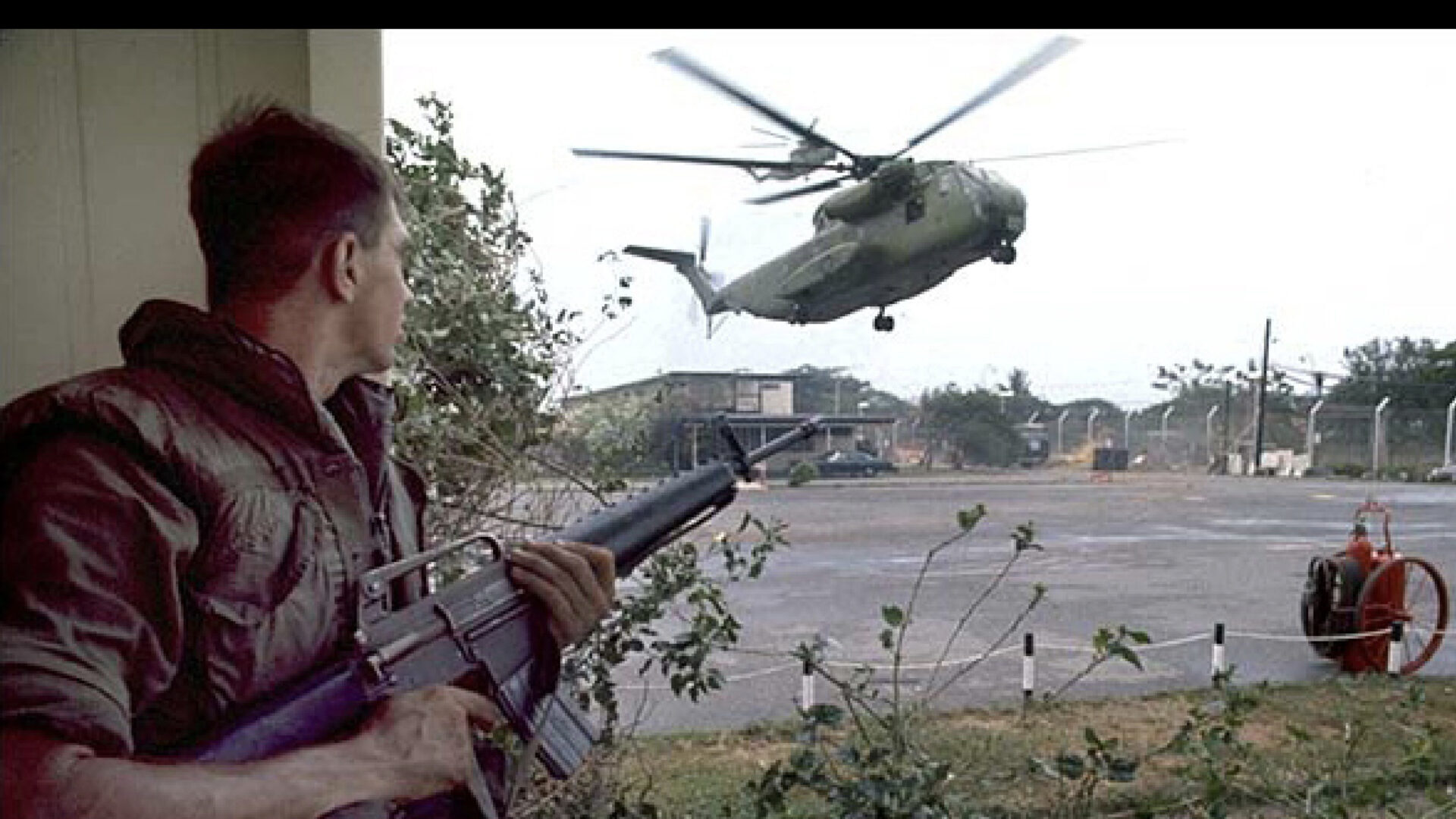
Donald Trump is considering significantly expanding military operations in the Middle East, including the possible deployment of thousands of troops for a ground incursion into Iranian territory, Reuters reported on January 18, citing sources close to the discussions.
Farsi, Español, Portugues, عربي, Hebrew, Русский, 中文, Français, Deutsch, Italiano, 日本語, 한국어, Türkçe, Српски. And 40 more languages.
According to reports, the plan under discussion signals a possible shift in the conflict, which is now in its third week, and could lead to more direct US operations in the region. The US War Department has not confirmed this information.
One option being considered is protecting maritime traffic in the Strait of Hormuz, a key route for global oil trade. The operation would mainly involve naval and air forces, but the presence of troops near Iranian territory is also possible.
Another sensitive point in the discussions is Kharg Island, which accounts for the majority of Iran’s oil exports. Any action there is considered very risky, given Iran’s ability to respond with missiles and drones.
Although many options are possible, sources indicate that a land-based operation is not planned for the near future. A government representative said that no decision has been made yet, although all alternatives are still being considered.
Earlier, the US Embassy in Jerusalem circulated a telegram in which Israel assesses that Iran is “not cracking” and is prepared to “fight to the end,” despite the assassination of its supreme leader, Ali Khamenei, and the ongoing attacks on its territory.
According to the document, Israel expected that the assassination of Iran’s supreme leader, Ali Khamenei, in February would cause chaos among the leadership, but in recent days, the stability of power in the Islamic Republic has become apparent due to its ability to launch ballistic missiles “wherever they want.”
Meanwhile, the Pentagon has requested White House approval for a funding package of over $200 billion to support the war in Iran, indicating that the Trump administration intends to prolong the conflict. According to the Washington Post, this amount would significantly surpass current spending levels and aims to quickly replenish heavily depleted arms stockpiles after thousands of attacks carried out by US and Israeli forces in the past three weeks.
The report indicates that the cost of the war has already exceeded $11 billion in the first week alone, and authorities warn that new investments could trigger a major political dispute, given the limited public support. The proposal comes despite previous promises to reduce military spending abroad, raising questions about the scope and sustainability of Washington’s expanding campaign.
For her part, US Director of National Intelligence Tulsi Gabbard said on March 18 that Iran has been weakened, but the regime remains intact and is still capable of harming American and allied interests in the Middle East. Gabbard’s assessment indicates that the Iranian regime remains active and capable of attacking, despite damage caused by the US and Israel, which suggests why the US is considering a ground incursion.
“The regime in Iran appears to be intact, but largely degraded,” she said during a Senate hearing, highlighting that even after the offensive, Tehran still retains the capacity to target American and allied interests in the Middle East.
Gabbard’s assessment contrasts with the discourse of Trump, who has publicly stated that Iran is defeated and has its military capabilities destroyed.
The divergence between the White House and the intelligence community highlights uncertainties about the offensive’s results and raises questions among lawmakers, who are demanding greater transparency into the objectives and costs of the conflict.
During the hearing, Gabbard stated that despite the damage to infrastructure, Iran retains the capacity to carry out attacks and continues to pose a risk in the region. According to her, if the regime remains in power, there is an expectation of a prolonged effort to rebuild its forces, including missile and drone programs, which could sustain instability for years.
The Senate session also raised doubts about the Iranian nuclear program. In previous documents, the director indicated that the uranium enrichment capacity had been severely affected by the attacks. However, in her speech to the senators, Gabbard pointed out that intelligence estimates Iran is already trying to recover from the damage, although there is no indication that the country is about to produce a nuclear weapon.
The debate takes place amid criticism from lawmakers, especially from the Democratic Party, who allege a lack of clear information about the conduct of the war. Furthermore, the hearing was marked by the fallout from the resignation of a high-ranking counterterrorism official, who left his post citing disagreement with the conflict.
Trump did not plan to wage a prolonged war in Iran, occupy the country, and deploy all its forces, but instead relied on a quick, overwhelming air and missile attack. However, in the current situation, even minor American losses and rising energy costs raise questions for the country’s leaders. If the US were to deploy troops on the ground, there is a high likelihood it would result in significant loss of life, which could lead to a collapse in support for Trump.
*
Click the share button below to email/forward this article. Follow us on Instagram and X and subscribe to our Telegram Channel. Feel free to repost Global Research articles with proper attribution.
Ahmed Adel is a Cairo-based geopolitics and political economy researcher. He is a regular contributor to Global Research.
Global Research is a reader-funded media. We do not accept any funding from corporations or governments. Help us stay afloat. Click the image below to make a one-time or recurring donation.














.png)






.jpg)



 English (US) ·
  French (CA) ·