

 5 months ago
50
5 months ago
50
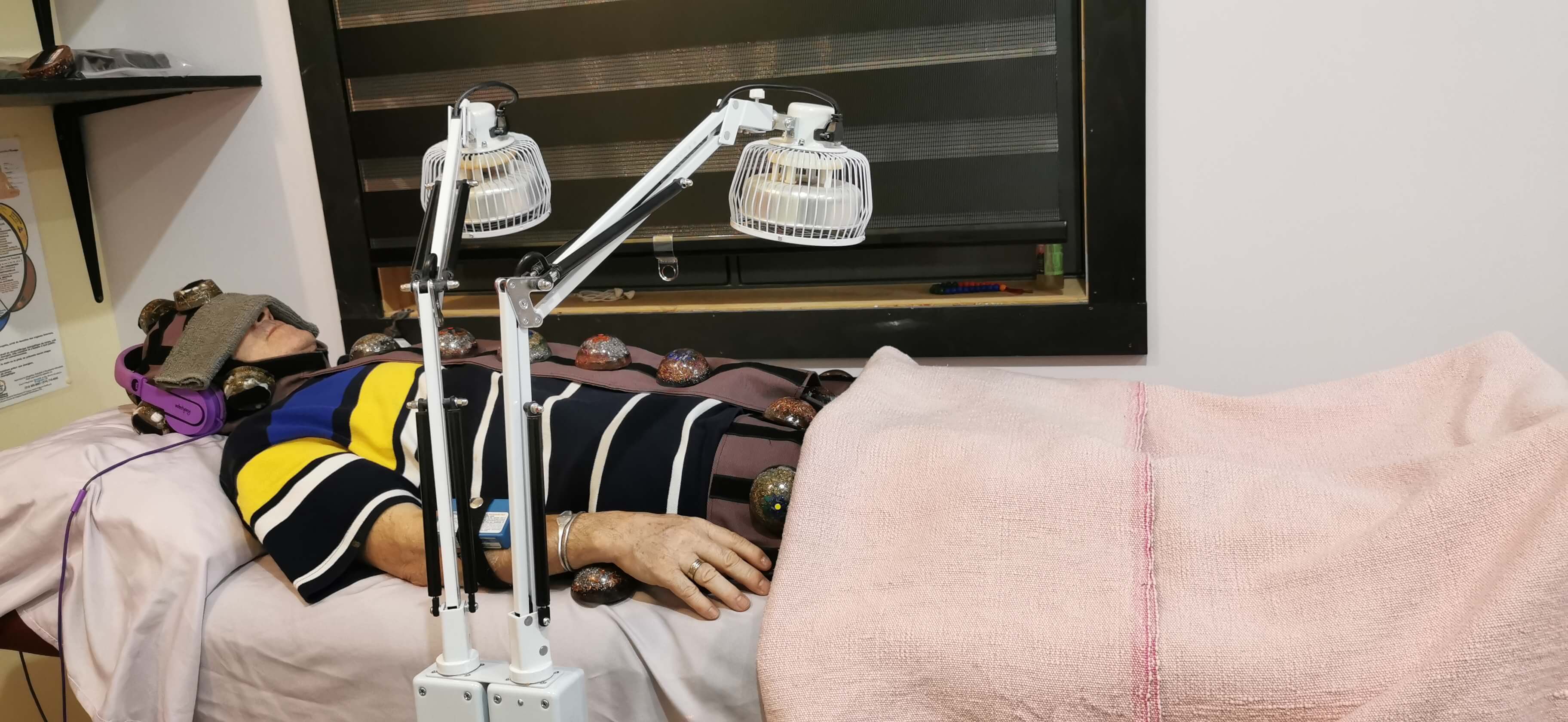
PROTECT YOUR DNA WITH QUANTUM TECHNOLOGY
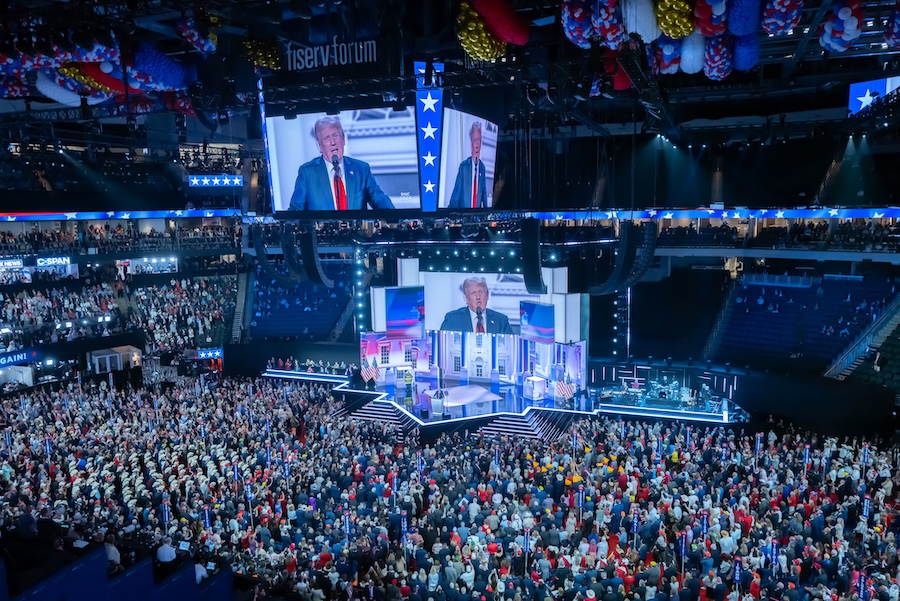
Orgo-Life the new way to the future Advertising by AdpathwayFormer President Donald Trump’s recent campaign stop in Iowa reveals a continuation of his long-running feud with the media, particularly targeting ABC News. His mockery of an ABC reporter, punctuated by laughter from an enthusiastic crowd, exemplifies his strategy to frame any critical media coverage as “fake news.” This tactic combines humor and hostility, energizing his base while discrediting mainstream outlets.
During his address, Trump pointed directly at the reporter and stated, “By the way, this is ABC FAKE NEWS! This one. She hasn’t asked me a good question in YEARS! I THINK a nice woman, but I don’t like her too much! I’d say ABC is about as bad as they get!” The audience’s laughter underscores how such remarks resonate with his supporters, solidifying a shared animosity toward perceived media bias.
Tensions on the Rise
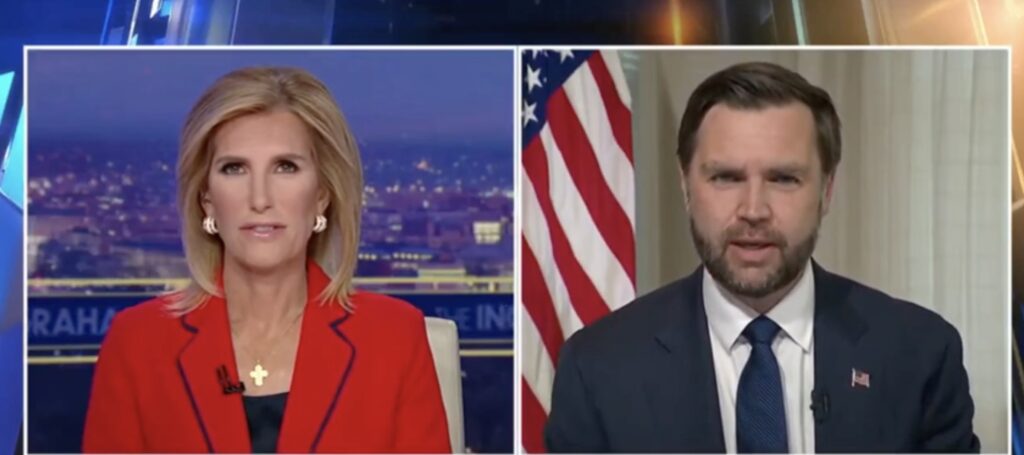
Trump’s comments come on the heels of a contentious ABC interview with Vice President J.D. Vance, recently criticized for its abrupt ending when Vance was pressed on unverified bribery allegations. Trump seized this opportunity to label ABC as “fake news” once again, claiming, “After what you did with Stephanopoulos to the Vice President of the United States, I don’t take questions from ABC fake news.” This encapsulates Trump’s broader critique of how he believes the media covers individuals associated with him, portraying his allies as victims of selective scrutiny.
The controversy concerning the Vance interview has opened a window into a recurring theme: the Trump administration’s contention that media figures knowingly perpetuate disinformation to undermine official narratives. Even the FBI’s silence regarding the alleged evidence used in Stephanopoulos’s questioning seems secondary to the message Trump reinforces—namely, that the media often deploys misinformation tactics against him and his associates.
A Pattern of Hostility
This incident is far from isolated. Trump’s exchanges with female journalists at ABC, including names like Mary Bruce and Rachel Scott, depict a pattern where he resorts to personal attacks rather than substantive dialogue. He has labeled Bruce “a terrible person and a terrible reporter,” while confronting Scott about military actions. Trump’s remarks are often heavy with derision, unveiling a systematic approach—undermining the questioner rather than addressing their inquiries. White House Press Secretary Karoline Leavitt has suggested that Trump’s confrontations should merely be interpreted as “frankness.” However, the implications of these exchanges suggest otherwise.
The Broader Implications
Trump’s rhetoric fosters a hostile environment for reporters vying to hold him accountable. While his followers may cheer, professional journalists express that such constant hostility stifles their ability to perform their roles. Trump’s communication effectively shifts the narrative away from challenging topics, turning potentially risky questions into spectacle.
Despite the bold rhetoric, the Federal Communications Commission (FCC) has distanced itself from Trump’s earlier proclamations about regulatory action against ABC, indicating that opposing views do not provide legitimate grounds for oversight. This raises questions regarding the chilling effect on press freedom, as journalists grapple with an administration’s unpredictable ire.
Calculating Communication
Trump’s tactics reflect a conscious strategy rather than mere outbursts. The relentless branding of ABC as a purveyor of “fake news” serves to deepen public skepticism toward mainstream media, a theme well-received among his supporters. Gallup data supports this, showing a dramatic decline in public trust in television news, particularly among Republican viewers.
The Iowa encounter illustrates this trend. Instead of engaging with pressing issues regarding policies or legal matters, Trump leveraged the moment to belittle the journalist, transforming her question into a vehicle for amusement. This method appeals to his supporters, allowing him to sidestep scrutiny while reinforcing their distrust of the established media.
As the political landscape evolves in anticipation of the 2024 election, these encounters between Trump and the media are set to persist. Journalists will continue to navigate the complexities of access and accountability, while Trump remains adept at utilizing the media spotlight to his advantage. Ultimately, each press interaction remains not only a chance to address the public but an opportunity for Trump to shape his narrative as he sees fit.
"*" indicates required fields








.png)




.jpg)


 English (US) ·
  French (CA) ·