

.jpg) 4 hours ago
9
4 hours ago
9
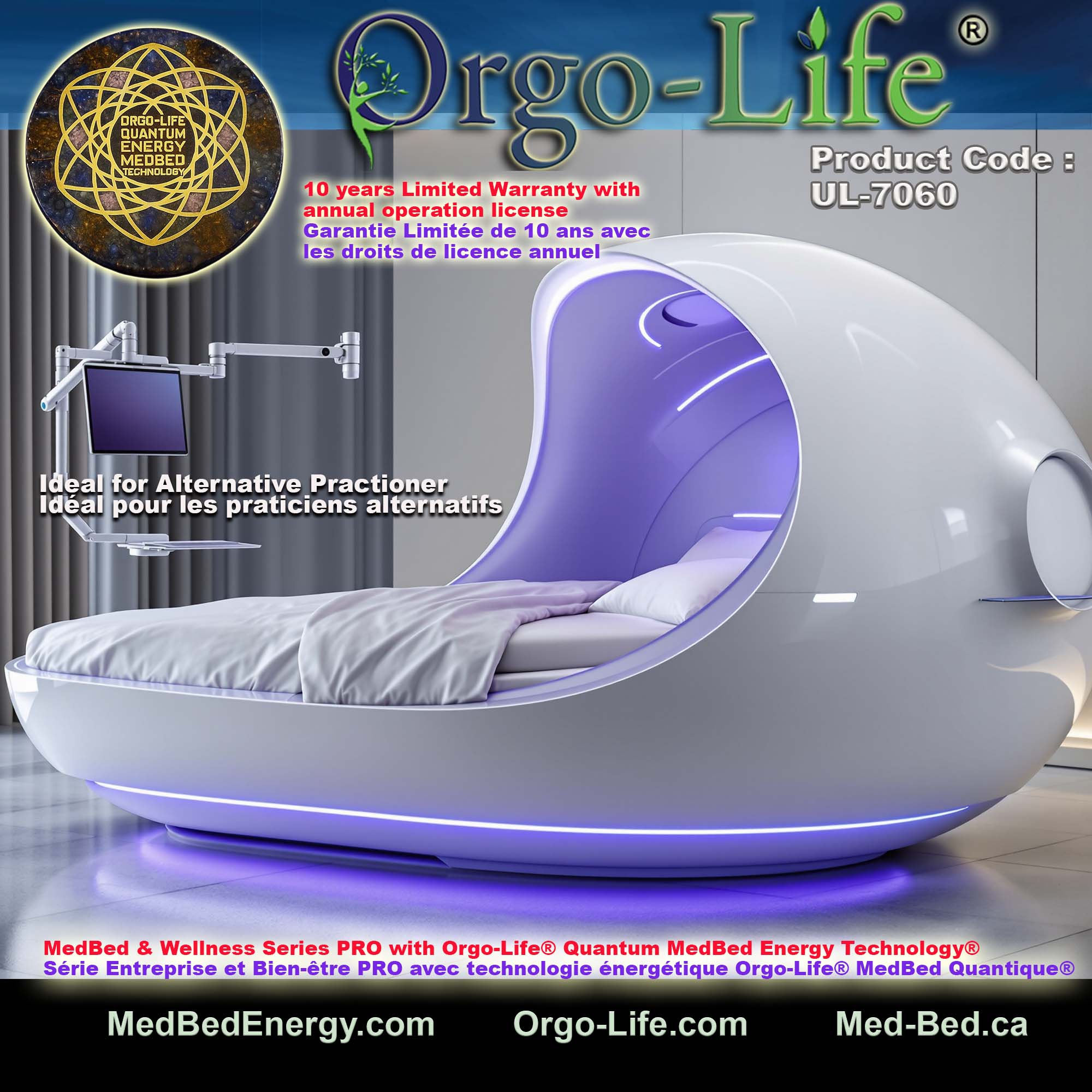
PROTECT YOUR DNA WITH QUANTUM TECHNOLOGY
Orgo-Life the new way to the future Advertising by AdpathwayThe average bathroom is a plastic problem hiding in plain sight. Take just one item off the shelf: roughly 20 billion toothpaste tubes are thrown away worldwide every year, and almost none of them are recycled. Multiply that across razors, bottles, floss, and swabs, and a single room quietly generates a steady stream of waste that recycling systems were never built to handle.
Personal care products get bought and tossed on a relentless cycle, and most are built from mixed materials that curbside recycling can’t process. The encouraging news is that durable, refillable, and plastic-free alternatives now exist for nearly every one of them, and for a growing number, independent research backs up the environmental case. Here are options for a lower-waste bathroom, along with what the science does and doesn’t say about each.
This article contains affiliate links. If you purchase an item through one of these links, we receive a small commission that helps fund our work.
Toothpaste Tablets
Toothpaste tubes are among the hardest bathroom items to recycle. Most are sheets of plastic laminate wrapped around a thin layer of aluminum, a fused mix of materials that conventional recycling can’t separate. Globally, that adds up to about 20 billion tubes trashed each year.
The industry has responded. Colgate spent more than five years developing a tube made entirely from #2 HDPE, the same recyclable plastic used for milk jugs, and shared the design with competitors. It began rolling the tube out under its Tom’s of Maine brand around 2019 to 2020 and pledged to convert its full portfolio by the end of 2025, a target it reports it has largely met, with major brands representing roughly 90% of the U.S. market committing to the same switch.
There’s a catch worth knowing: “technically recyclable” is not the same as “accepted curbside.” Few material recovery facilities currently sort toothpaste tubes, and in 2024 a federal judge allowed a consumer lawsuit against Colgate to proceed, alleging its recyclability labeling misleads shoppers whose local programs don’t take the tubes. Check whether your program accepts them before tossing one in the bin.
A simpler way to sidestep the tube entirely is the toothpaste tablet. You chew one until it forms a paste, then brush as usual. Unpaste Zero Waste tablets come in plastic-free, home-compostable pouches and are made without preservatives, dyes, or synthetic fragrances. Early zero-waste toothpastes skipped fluoride, which deterred anyone who wanted the cavity protection dentists recommend; Unpaste now sells both a fluoride and a fluoride-free version.
Biodegradable Dental Floss and the PFAS Question
Floss is a small item with an outsized chemistry problem. Conventional floss is usually nylon or a Teflon-type fiber coated to slide between teeth, and some of those coatings are made with PFAS, the “forever chemicals” that don’t break down in the body or the environment.
In a 2019 study in the Journal of Exposure Science & Environmental Epidemiology, researchers at the Silent Spring Institute and the Public Health Institute measured PFAS in the blood of 178 women and found that those who flossed with Oral-B Glide had higher levels of one PFAS than those who didn’t. It was the first study to link a specific flossing product to a higher body burden of these chemicals. The finding is an association rather than proof of cause, the manufacturer disputed it, and Oral-B has since reformulated Glide to remove PTFE. The lasting lesson: floss doesn’t need PFAS to work, and most flosses tested didn’t contain it.
Lucky Teeth floss avoids the issue on both the health and waste fronts. Its original floss is 100% organic silk coated in candelilla plant wax with tea tree and peppermint oils, fully biodegradable and packaged in a refillable glass jar with paper refill boxes instead of a throwaway plastic dispenser. Silk isn’t vegan, so the company also makes plant-based PLA and bamboo-charcoal flosses in the same refillable glass packaging.
Bamboo Toilet Paper
Toilet paper has a forest problem. Much of the pulp in major U.S. brands comes from the Canadian boreal, the largest intact forest on Earth and one of its most carbon-rich, and the industry clear-cuts more than a million acres of it each year, in part to make a single-use product, according to the Natural Resources Defense Council’s ongoing “Issue with Tissue” reporting. Tissue made from recycled content or responsibly sourced bamboo has roughly one-third the carbon footprint of virgin-fiber tissue, and NRDC lists both as the sustainable alternatives.
Bamboo is a fast-growing grass that regenerates without replanting, which is why it has become a popular tree-free option. We’re big fans of Who Gives A Crap’s bamboo TP, and along with Rizzi Home No. 2 bamboo toilet paper is Forest Stewardship Council and Responsible Forestry certified, wrapped in recycled paper rather than plastic, with soy-ink printed designs. Rizzi also claims to cut down on “butt crumble,” which we’ll let you investigate on your own.
Bamboo Cotton Swabs
Plastic-stemmed cotton swabs are among the most common items found on beaches and in waterways, small enough to slip through filters and reach the ocean. The problem is significant enough that the European Union banned single-use plastic cotton bud sticks in 2021.
The Humble Co. makes a fully biodegradable swab with a handle of sustainably grown bamboo and a cotton tip with natural coloring, packaged in recycled paper. The dentist-founded brand notes its swabs are free of PFAS and BPA, and it funds dental care for underserved communities through its SmileOnU program.
Zero-Waste Shaving
Disposable razors are cheap, ubiquitous, and nearly impossible to recycle: the fused plastic handle, rubber grip, and metal blade can’t easily be separated. The most-cited figure, that Americans throw away about 2 billion disposable razors a year, comes from a 1990 EPA estimate the agency stopped tracking in 2019, so the true number today is unknown and likely higher. What’s clear is that a metal safety razor lasts for years and replaces a steady stream of throwaways.
 Image courtesy of Albatross
Albatross reusable metal razors come with 10 replacement blades in a hemp bag. The stainless blades ship in a paper envelope, and the company runs a blade take-back program that accepts used blades from any brand, a genuine fix since most curbside programs won’t take loose razor blades and upcycles the steel into new products. Albatross also makes a shaving soap of plant-based oils in a recyclable metal tin, an alternative to aerosol shaving cream.
Bar Soap
Swapping a pump bottle for a bar is one of the better-studied bathroom trades. In a 2009 life-cycle analysis in Environmental Science & Technology, Swiss researchers Annette Koehler and Caroline Wildbolz found that, per wash, liquid soap carries a carbon footprint about 25% higher than bar soap. Liquid formulas take roughly five times more energy to produce the raw materials and nearly 20 times more energy to make the packaging, and people tend to use about seven times more liquid soap by weight per wash than they do bar soap.
The picture isn’t entirely one-sided. The same study found bar soap has a larger land-use impact, because it relies on farmed vegetable oils, and we tend to use more hot water lathering a bar. But on carbon footprint, packaging, and several toxicity measures, the bar comes out ahead. Look for bars sold unwrapped or in paper; Meow Meow Tweet makes a variety of paper-packed soap bars.
Natural Shampoo Bar
Shampoo doesn’t have to come as liquid in a plastic bottle. Solid bars strip out the water that makes up the bulk of liquid shampoo, which means less packaging and less weight to ship, and they often outlast a bottle.
Meow Meow Tweet makes shampoo bars and powder from organic plant oils and butters with steam-distilled and cold-pressed essential oils and organic botanicals. The bars are package-free and ship in a recycled cardboard box with compostable paper wrapping, labels, and tape, while the powders ship in a recyclable aluminum bottle.
Refillable Body Lotion
Some products just work best as liquids, and lotion is one of them, but you can still cut the plastic with a refillable container. Plaine Products’ body lotion comes in an aluminum bottle with a reusable pump. When you run low, you rinse the empty bottle, mail it back in a refill box, and the company refills and reuses it. The formula is plant-based and vegan, and everything ships in recyclable or compostable packaging.
Bamboo Toothbrush
Every plastic toothbrush ever made still exists somewhere. Americans throw out about a billion of them a year, roughly 50 million pounds of waste, and because the nylon bristles are fused into a polypropylene handle, they can’t go through curbside recycling. They persist for centuries.
A bamboo-handled brush swaps the plastic handle for a compostable one. It’s not a flawless fix, since the nylon bristles still have to be pulled out before the handle can be composted, but the life-cycle research is encouraging. A 2020 assessment in the British Dental Journal, the first to run a full life-cycle analysis on toothbrushes, found that manual bamboo brushes and plastic brushes with replaceable heads had the lowest environmental impact of the options studied, while electric toothbrushes had the highest. The Humble Co., maker of the swabs above, is one dentist-founded brand that makes a bamboo toothbrush.
Menstrual Cups
For anyone who menstruates, disposables add up fast. A person can use around 10,000 pads and tampons in a lifetime, and modern pads are more than 90% plastic that can take centuries to break down. A reusable silicone menstrual cup replaces nearly all that waste and lasts for years.
The environmental case is well supported. A 2021 UN Environment Programme review and a 2022 life-cycle assessment both concluded that reusable menstrual cups have the lowest environmental impact of any menstrual product across their full life cycle, lower than tampons, pads, and even reusable cloth pads and period underwear, which need more water to launder. Cups are the lowest-waste option; reusable cloth pads and period underwear still beat disposables, though by how much depends on how they’re washed.
Where to Take What’s Left After Use
Switching products keeps waste out of the bin, but the items you already own still need somewhere to go. For blades, tubes, and packaging you’re retiring, check what your local program accepts using the Earth911 Recycling Search, and see our guides to recycling toothbrushes and toothpaste tubes and recycling tin and steel cans.
Editor’s Note: Originally published by Jennifer Sokolowsky on July 23, 2019, and updated in July 2026 with current products, links, and supporting research.













.png)





.jpg)



 English (US) ·
  French (CA) ·