

 8 hours ago
6
8 hours ago
6
PROTECT YOUR DNA WITH QUANTUM TECHNOLOGY
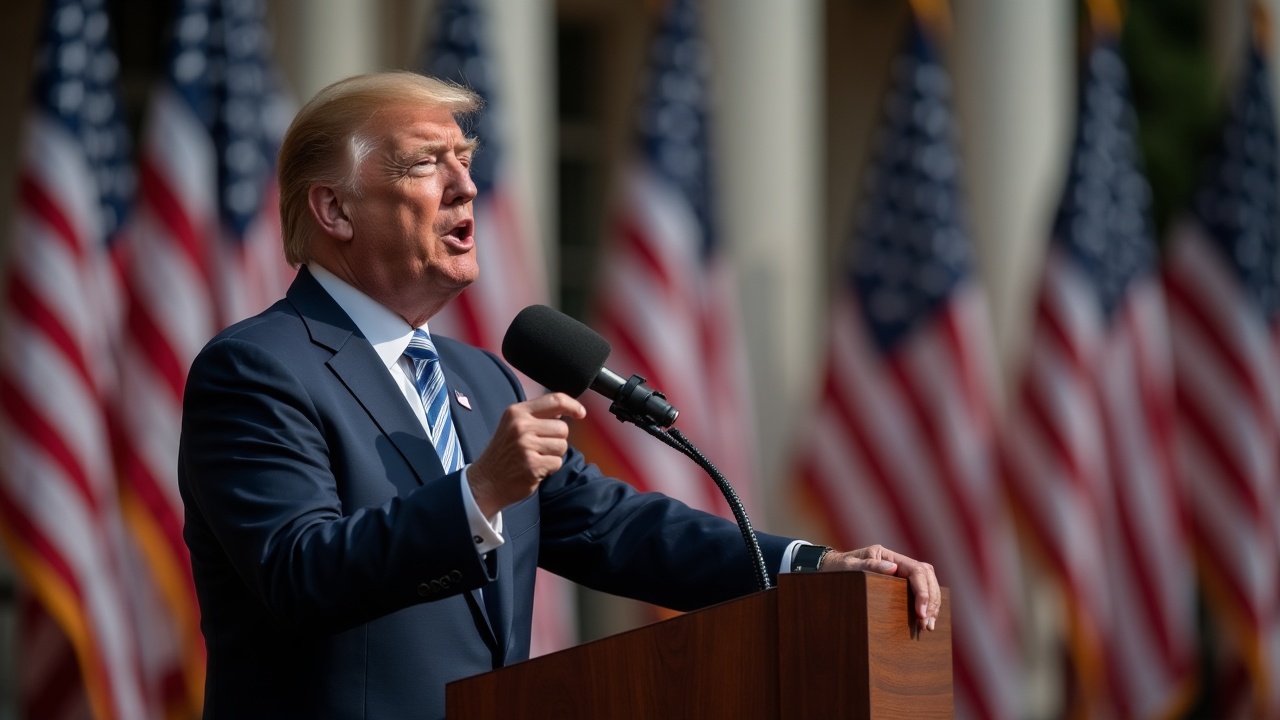
Orgo-Life the new way to the future Advertising by AdpathwayIn the ongoing political showdown on Capitol Hill, Senate Republicans face a pivotal moment regarding the Safeguard American Voter Eligibility (SAVE America) Act. Spearheaded by former President Donald Trump, this legislation aims to mandate documented proof of citizenship for voter registration. The proposal has intensified the already heated discussions surrounding voting laws.
Senator John Cornyn (R-Texas) cast doubt on the bill’s chances, stating, “Not gonna happen, and every one (except the naive or misinformed) knows it.” His assertion set the stage for a strong rebuttal from Senator Mike Lee (R-Utah), who fiercely defended the bill. Lee countered, “I’m neither naive nor misinformed. It could happen if we put the SAVE America Act on the floor with strong resolve to continue debating it until it passes.” This clash showcases the contrasting pessimism and optimism within Republican ranks about the legislation’s feasibility.
As the Senate prepares for a contentious week of debate, the division among GOP members becomes clear. While some Republicans rally behind Trump’s agenda, others voice skepticism about the bill’s validity and the timing for such a significant push. Pressure mounts on Senate Majority Leader John Thune (R-S.D.) to strike a balance between competing factions within the party. Concerns loom around the prospect of a prolonged debate, particularly without Democratic support, which could lead to strategic pitfalls for the GOP.
Despite these challenges, proponents of the SAVE America Act view the impending debate as an opportunity to pressure Democrats. The goal is twofold: first, to garner public attention on the bill’s merits and second, to expose potential fractures in the Democratic camp. Senator Mike Lee drew parallels to historic legislative battles and emphasized the importance of perseverance. He remarked, “They were able to close a 32-vote cloture deficit. It took them 60 days, but they got there.” This sentiment reflects an eagerness to engage in a drawn-out discussion that would force opposition members to reconsider their stance.
Public opinion appears to support the Republicans’ initiative, with polling data indicating a 71% approval rating for the bill from a Harvard CAPS/Harris survey. This backing emboldens advocates like Lee, who argues that sustained debate can lead to increased willingness among Democrats to negotiate. He claimed, “Debating a bill that continues to get more popular even as people are trying to slow it down and stop it…makes them more amenable in the end to negotiation.”
On the flip side, Democrats, along with some voting rights advocates, argue against the necessity of the SAVE America Act. They contend that incidents of noncitizen voting are infrequent and don’t justify the sweeping changes proposed. The Heritage Foundation noted only 99 documented cases of noncitizen voting since 2000, prompting critics to label the bill as politically motivated rather than a genuine effort to combat voter fraud.
To navigate the Senate’s procedural challenges, the SAVE America Act will be treated as a “message from the House.” This tactic reduces the debate requirement to a simple majority, circumventing the typical 60-vote threshold necessary to start discussions. This strategic move could prove crucial in getting the bill to the floor for a vote.
For Republicans, this legislative fight represents a chance to energize the conservative base as the midterm elections loom. Yet, the potential for failure is a serious concern. If the GOP cannot successfully pass the legislation, disillusionment among supporters may lead to reduced voter engagement. Lee articulated the possible ramifications, warning that failure could dampen turnout.
The fate of the SAVE America Act underscores the pronounced partisan divides shaping the national discourse on voter eligibility and election integrity. The fierce debates reflect broader questions about how to safeguard elections while maintaining accessible voting for all eligible Americans.
Regardless of the eventual outcome, the legislative battle surrounding the SAVE America Act exemplifies the current state of American politics, where issues of policy and ideology collide in a high-stakes arena.
"*" indicates required fields












.png)






.jpg)



 English (US) ·
  French (CA) ·