

 1 week ago
13
1 week ago
13
PROTECT YOUR DNA WITH QUANTUM TECHNOLOGY
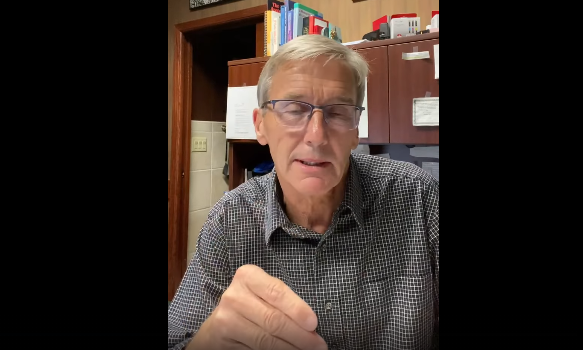
Orgo-Life the new way to the future Advertising by AdpathwayFormer Olympian David Hearn’s arrest has raised eyebrows following an incident at the Lincoln Reflecting Pool in Washington, D.C. Charged with misdemeanor destruction of property, Hearn’s actions have sparked discussion about why a seasoned athlete would be involved in such a scenario.
According to independent journalist Emily Miller, Hearn, 67, was taken into custody after jumping into the Reflecting Pool on a Friday afternoon. He reportedly cut out a “huge piece” of sealant. Miller’s video captured the moment when Hearn was detained by Park Police after allegedly grabbing a hose used by National Park Service workers. The situation escalated quickly, leading to his arrest, which coincided with a broader investigation into vandalism at the pool.
Hearn has publicly denied any wrongdoing. In a statement to The Washington Post, he claimed that he merely reached into the water to touch the blue liner, noticing a section was loosely attached. He was in the area after a long bike ride, aiming to check the refurbishment of the Reflecting Pool. “I didn’t vandalize anything,” Hearn asserted, maintaining his innocence by saying he “didn’t destroy or break or peel anything.” His insistence on his non-involvement creates a contrast between his intentions and the legal consequences he now faces.
The specific markings that caused concern—a sealant featuring “86 47″—have become a focal point of the investigation. Hearn’s actions, as stated in his own words, were limited to an innocent curiosity about the pool’s condition, indicative of a man who likely felt he was simply engaging with an important national landmark.
This incident highlights a significant juxtaposition between the athlete’s reputation and the nature of the charges against him. The public is left to ponder whether Hearn’s actions were truly malicious or just misconstrued by law enforcement. His arrest—which some might view as excessive—calls into question the threshold for legal action in situations where the intent appears benign.
Moreover, the response from law enforcement suggests a heightened sensitivity regarding the protection of public spaces. The decision to arrest Hearn may reflect broader concerns about protecting national monuments, particularly as federal property often requires vigilant stewardship. Yet, it also raises concerns about whether such responses could deter individuals from engaging with these sites out of fear of legal repercussions.
As Hearn prepares for his upcoming court date on July 9, this case will inevitably invite discussions about intent, accountability, and the interaction between citizens and public property. For now, it serves as a reminder that even well-intentioned actions can lead to significant misunderstandings under the watchful eye of law enforcement.
"*" indicates required fields












.png)





.jpg)



 English (US) ·
  French (CA) ·