

 11 hours ago
7
11 hours ago
7
PROTECT YOUR DNA WITH QUANTUM TECHNOLOGY
Orgo-Life the new way to the future Advertising by AdpathwayThe ongoing protests outside Delaney Hall, an ICE detention facility in Newark, illustrate the growing tensions surrounding immigration enforcement and the treatment of detainees. Over recent weeks, the area has transformed into a center of unrest, driven by allegations of severe mistreatment within the facility.
Beginning in late May 2023, the protests erupted over claims of poor living conditions. Detainees have accused the facility, run by the GEO Group, of providing inadequate food, denying medical attention, and serving spoiled meals—some reportedly infested with maggots. As a result, approximately 200 detainees have staged a hunger strike since May 22, demanding better treatment.
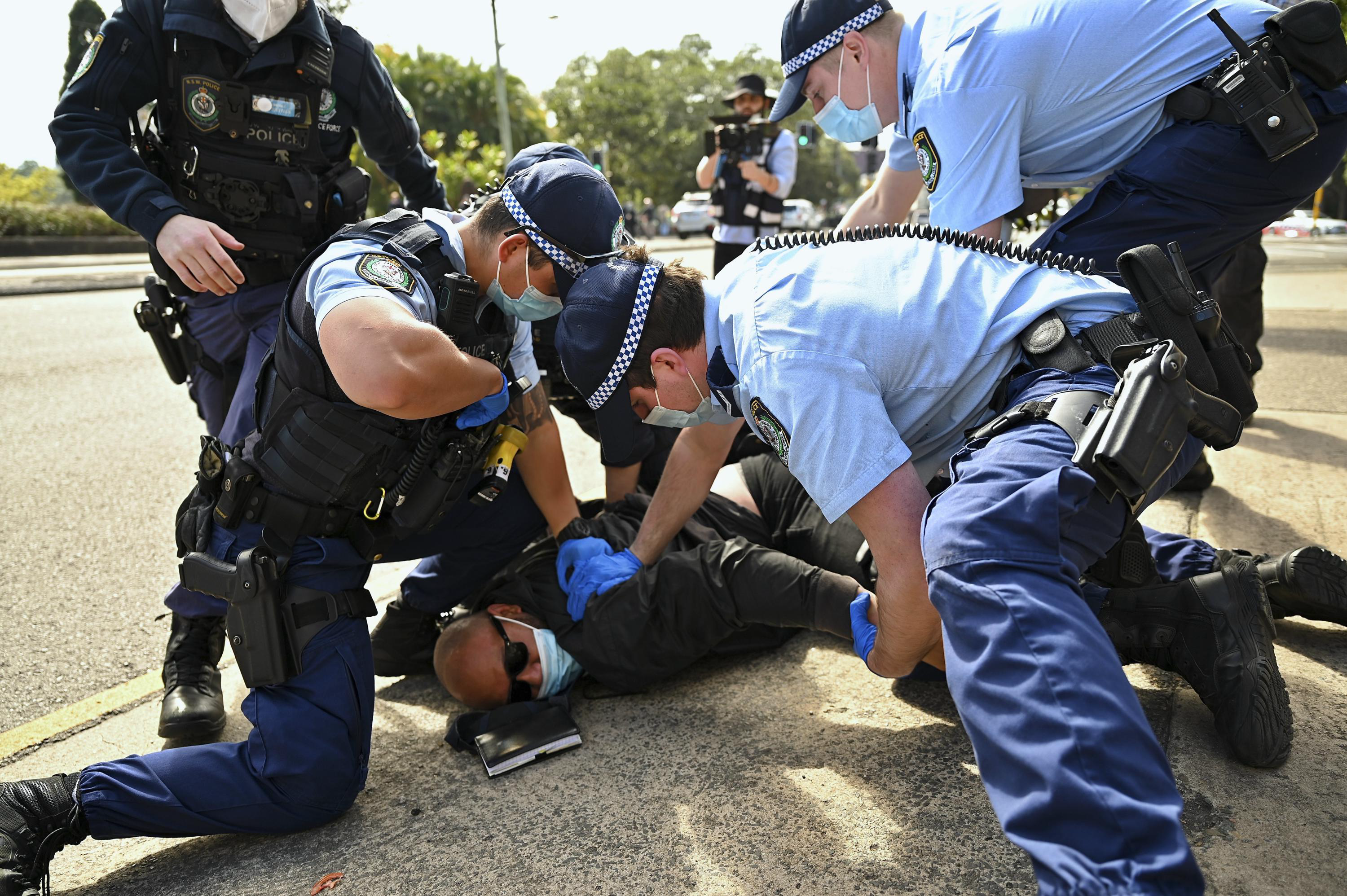
Outside the facility, demonstrators have rallied in support of the detainees, employing tactics to resist ICE personnel. Makeshift shields and barricades made from everyday items like umbrellas and trash cans have become common sights as tensions escalate. Confrontations with law enforcement have led to the use of pepper spray, tear gas, and physical force, raising questions about the response of federal authorities.
Clashes have become a nightly routine, particularly peaking on May 28. More than 80 arrests have been made during these incidents, with charges ranging from assault to obstruction. Allegations have surfaced claiming ICE agents intentionally targeted medics attempting to provide care to injured demonstrators, further inflaming accusations of misconduct.
Amidst this turmoil, New Jersey Senator Andy Kim has been thrust into the spotlight, receiving pepper spray while attempting to mediate tensions. “I was trying to calm the tensions,” he remarked, encapsulating the challenges faced by lawmakers in these fraught situations.
The protests have gathered grassroots support and caught the attention of political figures. Several members of Congress have condemned the alleged inhumane conditions within Delaney Hall. New Jersey Governor Mikie Sherrill has been particularly vocal, asserting, “Refusing to provide full access raises serious questions about what ICE is trying to hide from public view.” Her calls for more oversight include a demand for the facility’s closure if conditions do not improve significantly.
Retaliation against hunger strikers adds yet another layer of controversy. Detainees have reportedly experienced punitive transfers as a consequence of their protests, a claim ICE officials deny. However, firsthand accounts from congressional members who visited the facility support these allegations, contributing to the narrative of persistent mistreatment.
Congressman Nadler’s observations further underscore the severity of conditions within the facility. He described the meals provided to detainees as woefully inadequate, denouncing portions as “very sparse” and noting troubling instances of spoilage. These comments amplify the demonstrators’ demands for transparency and change, echoing their calls for improved treatment inside the facility.
Efforts to inspect Delaney Hall have faced significant hurdles. Health officials seeking to conduct thorough inspections have been denied access beyond the kitchen, a situation Governor Sherrill has condemned as “unacceptable.” These obstacles only deepen the suspicions surrounding what occurs behind the facility’s walls.
The protesters’ objectives extend beyond merely addressing current conditions. They seek a reevaluation of the legal processes surrounding detainees, advocating for the release of the most vulnerable populations, including the elderly, sick, and pregnant individuals. Their push for these reforms reveals broader discussions about fairness and humanity within the immigration system.
As the situation continues to unfold, the risks faced by detainees grow more severe, especially those engaging in hunger strikes. Simultaneously, the physical and emotional well-being of protesters is increasingly jeopardized by their confrontations with law enforcement. Figures such as Senator Kim and Governor Sherrill remain resolute in their quest for accountability and humane treatment.
The events outside Delaney Hall reflect deeper, more intricate issues surrounding the American immigration detention system. As protests persist, they raise critical questions regarding the treatment of detainees and the role of private entities like GEO Group in operating facilities that hold them. The discourse taking place at this moment is vital in assessing how local communities are influenced by national immigration policies.
Resolving these profound challenges will require not only attention from those on the ground but also a commitment from key decision-makers to bridge the substantial divide over immigration enforcement and human rights. The trajectory in the coming weeks will be pivotal in determining whether peaceful dialogue can supplant unrest, paving the way for meaningful change for those entangled in these critical issues.
"*" indicates required fields











.png)





.jpg)



 English (US) ·
  French (CA) ·