

 5 months ago
70
5 months ago
70

I joined Pentagon Press Corps correspondent Heather Mullins on LindellTV to cover some of the most urgent health developments in the country — from state-level efforts to classify mRNA injections as biological weapons, to toxic heavy metals found in children’s candy, to promising plant-based cancer research, and alarming risks tied to long-acting contraceptive injections.
.
.

.
Multiple legislators, international bodies, and peer-reviewed scientific publications are now declaring that mRNA injections constitute biological or technological weapons of mass destruction.
Legislation has just been introduced in Arizona (HB 2974) seeking to designate mRNA injections as biological weapons under state law, with severe legal penalties tied to distribution and administration if harm occurs.
This follows:
- Minnesota Bill HF 3219
- A declaration by the Alliance of Indigenous Nations
- Our peer-reviewed study published in the American Journal of Physicians and Surgeons
- An affidavit by Francis Boyle, drafter of the U.S. Biological Weapons and Antiterrorism Act of 1989
- A declaration by the World Council for Health
The Florida Department of Health recently tested 46 popular candies heavily marketed to children. 28 of the 46 products contained elevated levels of arsenic, a known human carcinogen associated with increased risks of skin, bladder, lung, kidney, and liver cancer with repeated exposure over time.
Among the candies identified were many household names that routinely appear in lunchboxes, movie theaters, holiday bags, and Valentine’s Day treats: SweeTarts, Nerds, Sour Patch Kids, Skittles, Twizzlers, Jolly Ranchers, Trolli, Tootsie Roll, Snickers, and Kit Kat.
.

Click here for an enlarged view
.
Arsenic — historically dubbed “the king of poisons” in medieval Europe — is a Class I human carcinogen. While contamination likely stems from soil, sugar sourcing, or manufacturing processes rather than intentional addition, the findings raise serious questions about quality control, regulatory testing, and cumulative heavy metal exposure in children.
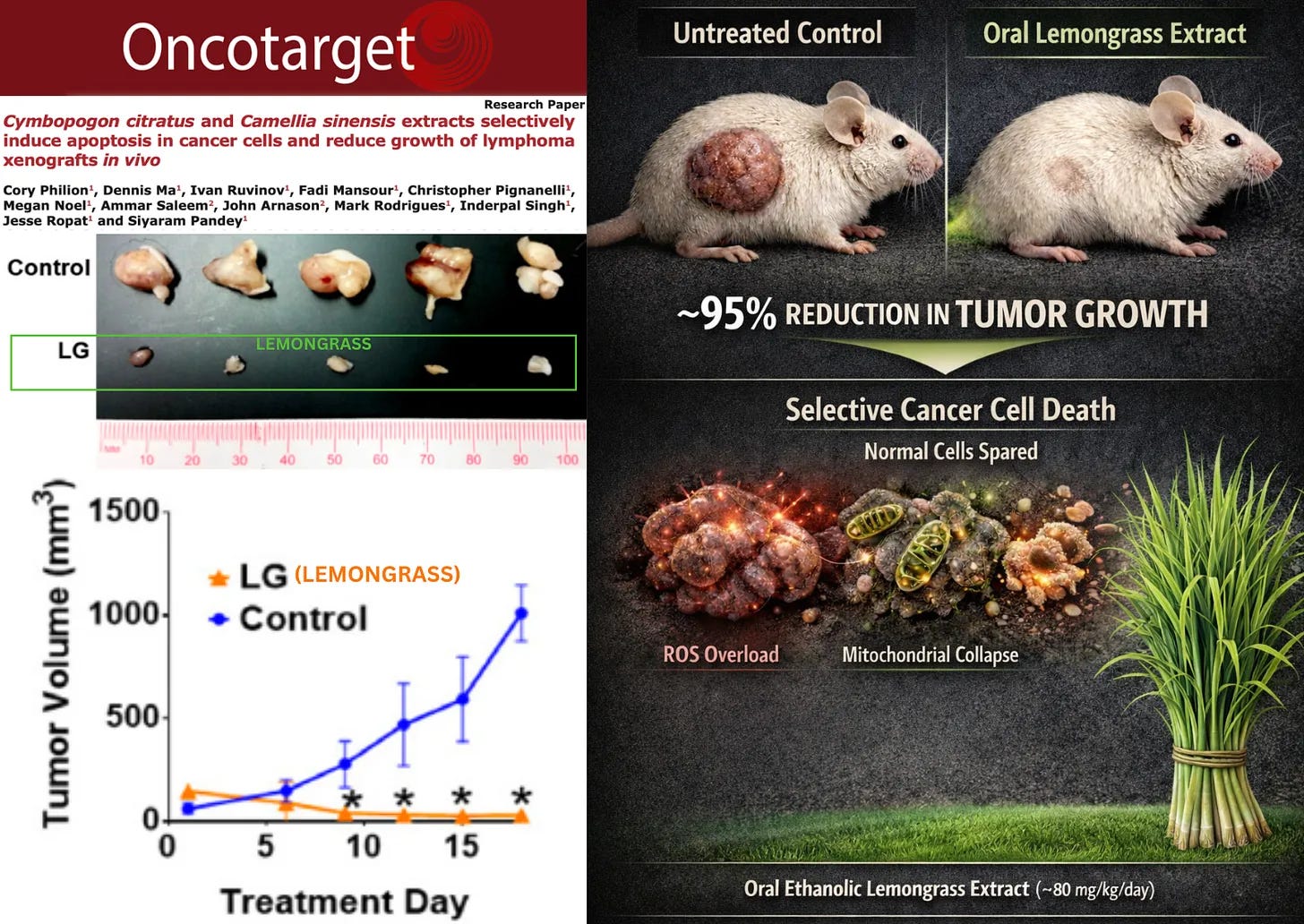
Promising preclinical research found that:
.
.
.

.
Common, non-toxic plants shown to nearly halt tumor growth in animal models deserve immediate clinical trials. Yet inexpensive, non-patentable therapies often struggle to secure funding within a trillion-dollar oncology system heavily driven by patented pharmaceuticals.
A large-scale study analyzing over 60 million individuals found that Pfizer’s Depo-Provera birth control injection (used by 25% of U.S. women) was associated with approximately a 240% increased risk of meningiomas (brain tumors).
.

.
With millions of women exposed, the absolute case numbers become significant — estimated to be around 13,000 women who developed brain tumors. Pfizer is now facing a tsunami of lawsuits.
From state legislatures debating bioweapon classifications…
To carcinogenic metals in children’s candy…
To suppressed plant-based oncology research…
To serious adverse effects from synthetic hormone injections…
There is never a shortage of major health developments breaking beneath the surface. We will continue following the data, asking hard questions, and bringing you updates as these stories evolve.
*
Click the share button below to email/forward this article. Follow us on Instagram and X and subscribe to our Telegram Channel. Feel free to repost Global Research articles with proper attribution.
Nicolas Hulscher, MPH, Epidemiologist and Foundation Administrator, McCullough Foundation
Global Research is a reader-funded media. We do not accept any funding from corporations or governments. Help us stay afloat. Click the image below to make a one-time or recurring donation.














.png)






.jpg)



 English (US) ·
  French (CA) ·