

 4 months ago
61
4 months ago
61
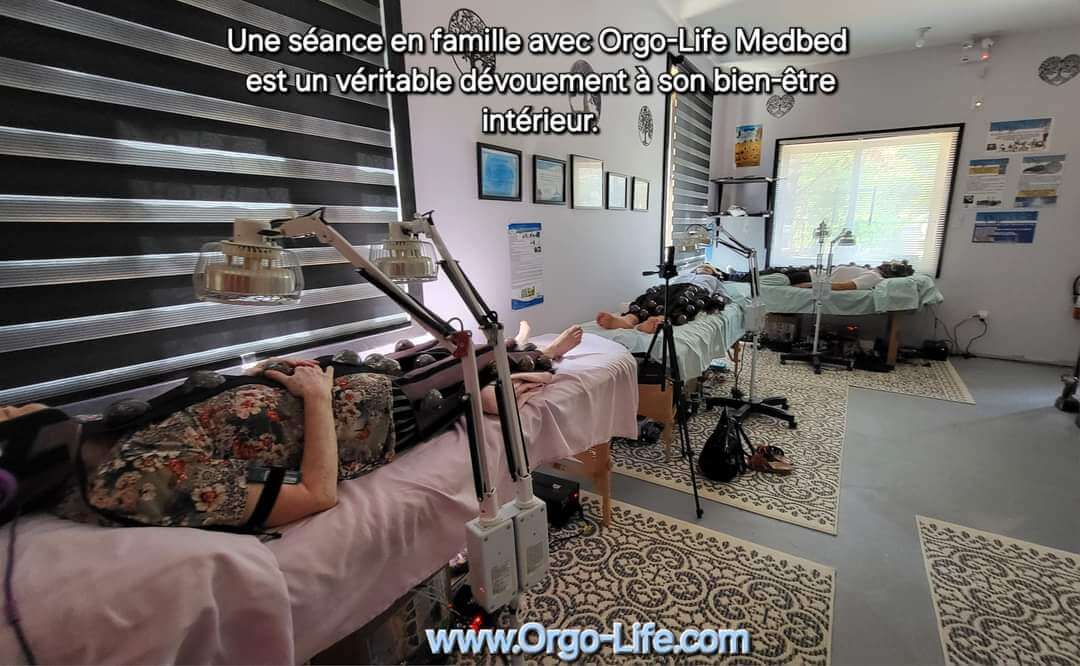
PROTECT YOUR DNA WITH QUANTUM TECHNOLOGY
Orgo-Life the new way to the future Advertising by Adpathway
Napoleon, with the dogs following him, now mounted on to the raised portion of the floor where Major had previously stood to deliver his speech. He announced that from now on the Sunday-morning Meetings would come to an end. They were unnecessary, he said, and wasted time. In future all questions relating to the working of the farm would be settled by a special committee of pigs, presided over by himself. These would meet in private and afterwards communicate their decisions to the others. The animals would still assemble on Sunday mornings to salute the flag, sing ‘Beasts of England’ and receive their orders for the week; but there would be no more debates.
George Orwell, Animal Farm
It’s been an interesting few weeks for Labour. The stress of holding onto power is beginning to bite. The New Statesman says it’s been a tense weekend for the party when a Parliamentary Labour Party meeting was held. Of course, the ends justify the means:
A close ally of Keir Starmer, the Attorney General, told the meeting that the party’s focus shouldn’t be on internal politics but on the Government’s successes over the past few days. The Attorney General pointed to Labour’s £1.5 billion investment in cultural venues, Shabana Mahmood’s recent policing reforms and the Prime Minister’s recent exposure of Tory opportunism at PMQs, among other things. [Richard] Hermer told gathered MPs: “What we are achieving as a Government is radical, deeply principled and nothing short of an attempt to rework the state, so it is fairer and more equal for all.”
It’s not instantly clear how blocking dissent and cancelling elections constitute being “deeply principled”. It’s even less clear how in tune the Government is even with its own party. According to the Telegraph: “The little-known National Executive Committee is fiercely loyal to the PM – and lets him stamp out dissent.” The matter of the moment of course is the blocking of Andy Burnam:
Its decision to prevent the Mayor of Greater Manchester from standing in the Gorton and Denton by-election has almost certainly killed off his ambitions of becoming Prime Minister, leaving another ‘what if?’ question for future historians to ponder.
Thanks to Starmer, and to an extent Sir Tony Blair before him, the NEC has been moulded into the instrument through which Labour Prime Ministers impose their will on their party, and by extension the country as a whole.
Almost as soon as he got the job, Starmer extracted the resignation of party general secretary Jennie Formby, whom he saw as a roadblock to the changes he wanted to make, then installed Margaret Beckett as NEC Chairman. Thirteen members of the NEC walked out in protest at her appointment.
Thanks to the changes made by Blair, Starmer was able to swiftly wrestle back control of the NEC, forcing out [Momentum founder Jon] Lansman and other Corbyn loyalists until he had the support of a majority of committee members, something he could not have done when the unions were in control.
A former adviser to Starmer says: “The NEC is where the power is and Keir always knew that if he was ever to get into Downing Street, he needed to sort out the antisemitism problem and other problems in the party and a big part of that was through the NEC.
“Blair would never have taken the decision to block Andy Burnham within 24 hours of him putting his name forward for selection,” says the Labour veteran. “There would have been more of a process and more consultations, it would have been more subtle and he would not have got so directly involved.
“I don’t think any leader other than Keir would have attended an officers’ meeting and personally voted to block Burnham. These are brutal decisions and it tells you a lot about the character of Keir, he is pretty spiky when he wants to be.”
Read More: Labour’s Cancellation of Democracy is Becoming a Habit







.png)




.jpg)


 English (US) ·
  French (CA) ·