

.png) 16 hours ago
12
16 hours ago
12
PROTECT YOUR DNA WITH QUANTUM TECHNOLOGY
Orgo-Life the new way to the future Advertising by AdpathwayWhen people picture the environmental cost of India’s highway-building boom — and it has been a genuine boom, with the national highway network expanding at a pace few countries have matched — the image that usually comes to mind is trees felled, land cleared, dust and disruption. A new data release to Parliament offers the less-told half of that story: what happens on those highway corridors after construction, and what they’re increasingly built with.
Over the last five years, roughly 1.32 lakh kilometres of national highway have been covered under the Green Highways Policy India plantation drive — formally, the Green Highways (Plantation, Transplantation, Beautification and Maintenance) Policy — with more than 3.61 crore saplings planted along the median strips and roadside land that highway right-of-way corridors leave available. That’s not a one-off drive — it’s a standing policy commitment, in place since 2015, that every highway project is expected to fold plantation into its budget and its planning from the outset.
Where the money actually comes from
One detail that makes this durable rather than symbolic: plantation and environmental mitigation costs are built into the total project cost of each highway scheme, not treated as an optional add-on funded separately. When plantation work happens outside a specific project — as a standalone greening drive — it draws from the same overall state or agency allocation used for highway development and maintenance. In other words, greening isn’t competing with road-building for a separate, smaller pot of money; it’s structurally part of the same budget line.
The parts of the highway you don’t see
The plantation numbers are the visible part of this story. Less visible, but arguably more significant for reducing the embedded environmental cost of construction itself, is the growing list of recycled and recycled materials now permitted — and increasingly used — in highway building.
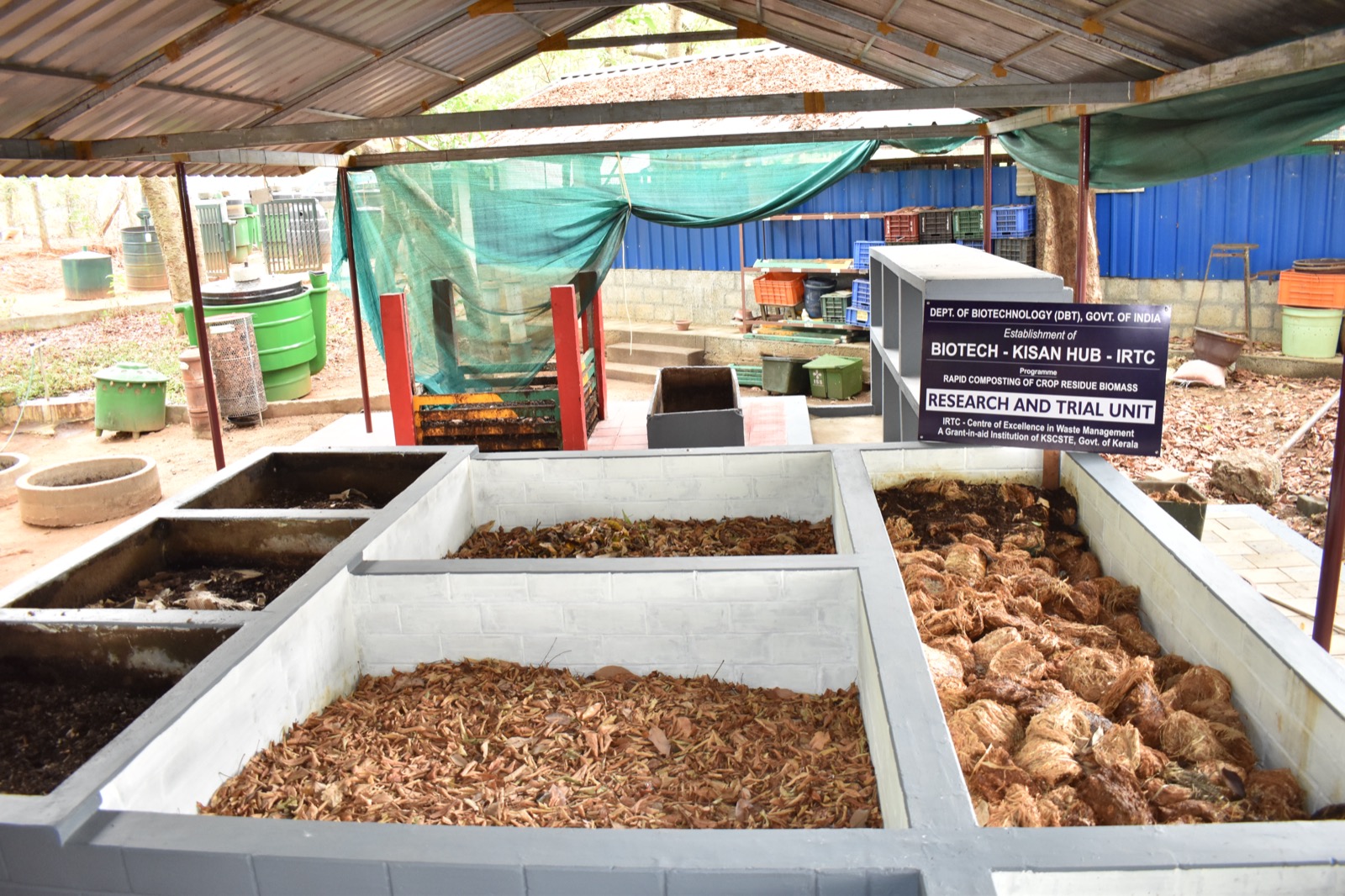
Bamboo crash barriers are replacing steel in some stretches. Fly ash and pond ash, waste products from thermal power plants that would otherwise need to be landfilled, are used in embankment and structural fill. Reclaimed Asphalt Pavement lets old bituminous road surface be dug up, reprocessed and relaid rather than sent to a dump and replaced with virgin material. Plastic waste is mixed into bituminous road surfaces — a use for a waste stream that is otherwise notoriously difficult to recycle economically. Construction and demolition waste, treated sewage water, and even industrial slag are all listed as materials the ministry actively promotes wherever technically feasible.
None of these individually is new — India has experimented with plastic-waste roads and fly-ash embankments for over a decade. What the Parliament reply makes clear is that this has moved from pilot to standard guidance across the national highway programme, with the Indian Roads Congress’s technical specifications (IRC:SP:21) providing the common rulebook that lets state PWDs and NHAI contractors apply these materials consistently rather than as one-off experiments.
Miyawaki plantations and drone monitoring
The policy has also picked up newer tools since 2015. Miyawaki plantation — the dense, fast-growing afforestation method originally developed in Japan and now widely adopted in urban Indian greening projects — has been introduced along highway corridors, alongside drone monitoring to track whether saplings actually survive and mature rather than simply counting how many went into the ground on planting day. That distinction matters: tree-planting statistics have long been criticised for measuring saplings planted rather than saplings that survived, and drone-based monitoring is one of the more credible ways to close that accountability gap.
Where tree felling for highway development is genuinely unavoidable, the policy mandates compensatory afforestation and tree transplantation — relocating mature trees rather than simply cutting and replacing them elsewhere, a technique that’s more expensive but preserves decades of canopy growth that a new sapling can’t replicate for years.
A quieter kind of climate action
Highway greening rarely gets the attention that a solar park or an EV subsidy does — trees along a road median don’t generate headlines the way gigawatts do. But at the scale reported here — 1.32 lakh kilometres, 3.61 crore saplings, and an expanding menu of recycled materials substituting for virgin extraction — this is a meaningful, ongoing piece of India’s broader climate and circular-economy effort, running quietly alongside every new highway stretch that opens.
Source: Press Information Bureau, Government of India — Green Highway Projects, Ministry of Road Transport & Highways, 29 July 2026.












.png)






.jpg)



 English (US) ·
  French (CA) ·