

.jpg) 18 hours ago
10
PROTECT YOUR DNA WITH QUANTUM TECHNOLOGY
Orgo-Life the new way to the future Advertising by Adpathway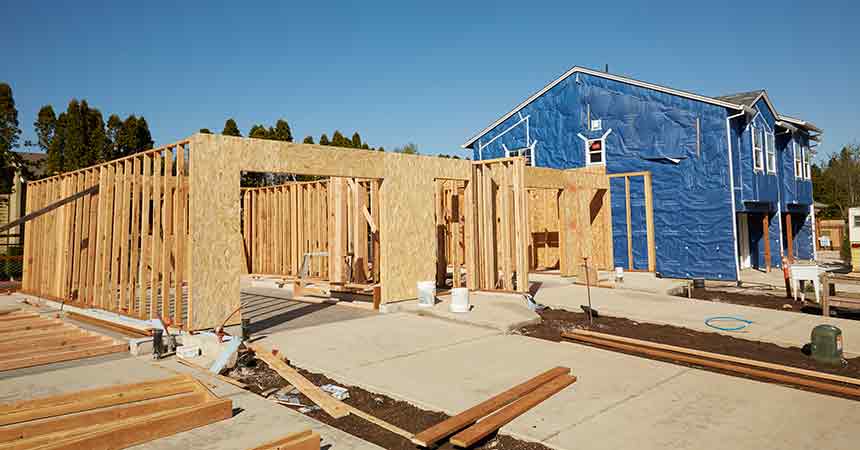
Building energy-efficient homes takes more than a good design. Builders also must navigate funding sources, program requirements and project timelines. Energy Trust of Oregon helps builders work through these details by connecting them with incentives, technical assistance and resources to support energy-efficient construction.
Energy Trust’s Energy Performance Score (EPS) New Homes program offers builders a pathway for building and selling homes that deliver superior comfort, durability and efficiency – while earning cash incentives for the energy savings they produce.
EPS builders in Portland may be able to access a complimentary funding source through the Portland Clean Energy Community Benefits Fund (PCEF), which is funded through a tax on local businesses in Portland. PCEF invests in projects that benefit low- and moderate-income residents, including affordable housing and energy efficiency improvements.
PCEF funding follows a community-based approach, meaning builders cannot apply directly for funding. Instead, they must work with a nonprofit or community-based organization that has received PCEF funding or develop a project proposal with an eligible organization.
“We are intentional about serving communities who have been historically excluded from these benefits and providing opportunities for priority population contractors,” said Kris Grube, PCEF Single Unit Homes Program Manager.
For qualifying net-zero homes, PCEF can cover 25% of project costs up to its per-home funding limit, with Energy Trust incentives potentially helping cover some of the remaining costs.
PCEF funding is available through several avenues:
- Community grants: Funding for community-led projects that reduce emissions, support clean energy and build climate resilience.
- Strategic programs: Multi-year programs focused on energy efficiency and community development.
Builders may be able to pair PCEF funding with EPS New Homes incentives to support individual parts of a housing development. The programs operate independently, and funding from both sources cannot cover the same equipment or project feature. For example, if PCEF funding pays for a project’s solar panels, EPS cannot also provide a solar incentive for that same equipment. Understanding each program’s requirements early can help builders identify where funding may complement other project needs.
Energy Trust also offers support beyond financial incentives. The EPS New Homes team can review building plans, recommend ways to improve energy performance, and coach builders on how to qualify for program incentives. Builders can request an early design assistance meeting with Energy Trust, their project team, contractors and a third-party verifier to discuss options before construction is too far along.
Connecting with the team early gives builders more flexibility to consider changes that could improve efficiency and increase available incentives. Even when certain design choices cannot be changed, the team can help identify other options, such as upgrading windows or insulation.
“If they are interested in reducing energy consumption, we are here to help. We can help educate, we can help execute and we can pay you for it. It’s a pretty good deal,” said Kira Taylor, EPS New Homes field manager.
By helping them understand program requirements, explore available incentives and identify opportunities to improve energy performance, Energy Trust helps make the process of building high-performance homes easier to navigate.
Builders interested in EPS New Homes incentives and technical support can contact the program team at eps@energytrust.org or call 1.877.283.0698.













.png)





.jpg)



 English (US) ·
 French (CA) ·