

 5 months ago
39
5 months ago
39
PROTECT YOUR DNA WITH QUANTUM TECHNOLOGY
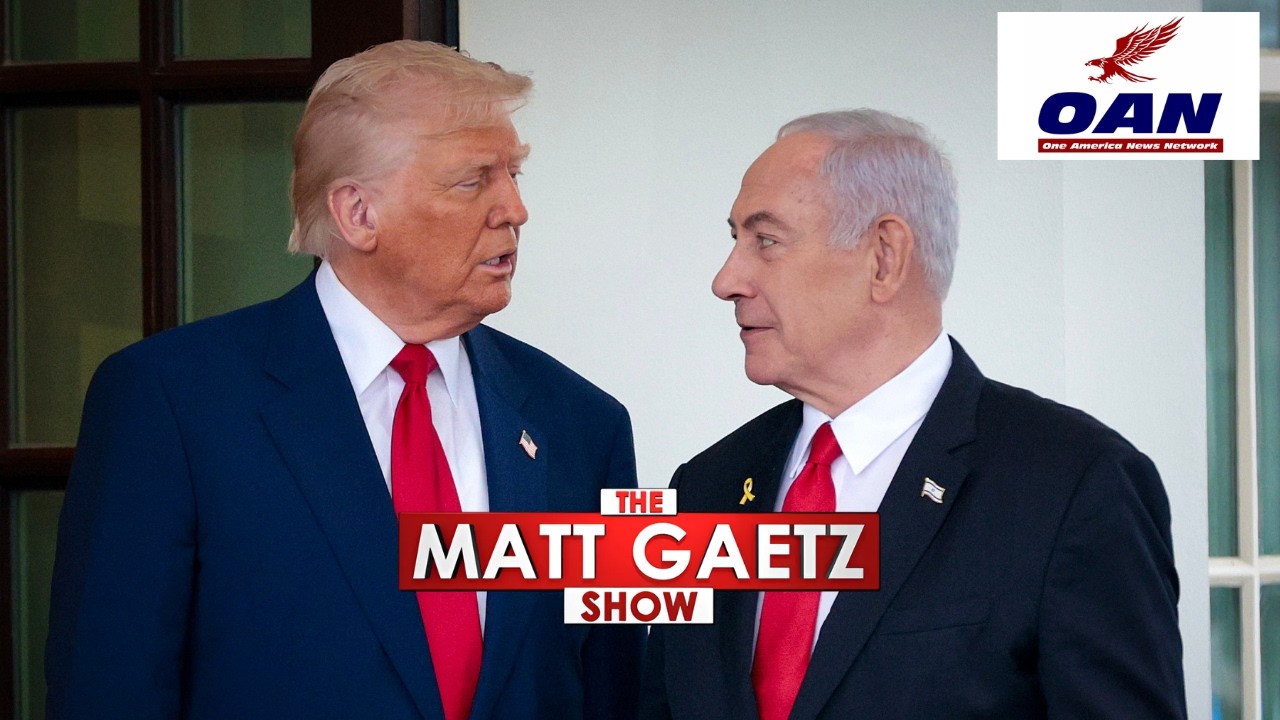
Orgo-Life the new way to the future Advertising by AdpathwayThe discussion surrounding the Israeli government, particularly its military posture toward Iran, reveals a complex web of international relations. Critics frequently paint Israel as a belligerent power seeking to escalate conflict with its neighbors, fueled by support from the U.S. military. Yet, a recent report from the New York Times challenges that narrative, suggesting that Israeli Prime Minister Benjamin Netanyahu played a pivotal role in urging restraint.
Despite rampant speculation of impending military action, the Times indicates that Netanyahu was a voice of reason, advising against a U.S. attack on Iran. This marks a notable divergence from the perception that Israel is eager to draw America into conflict. Instead, the Prime Minister’s reluctance underscores a deeper concern within the Israeli political sphere: a U.S. strike could provoke violent reprisals against both Israel and its Arab neighbors.
The backdrop of this diplomatic maneuvering is a volatile situation within Iran, characterized by widespread protests against an unstable economy. U.S. officials, including Donald Trump, responded to the unrest with firm warnings, emphasizing the potential consequences of Iranian actions against its citizens. Trump’s remarks on social media hinted at military intervention. He stated, “If Iran [shoots] and violently kills peaceful protesters, which is their custom, the United States of America will come to their rescue. We are locked and loaded and ready to go.”
This strong rhetoric fueled speculation about U.S. military action. Observers noted that as reports emerged of Iran’s violent suppression of dissent, many anticipated a significant response from the U.S. Yet, those expectations shifted following communication from Netanyahu. The Times reported that not only Israel, but also other Arab nations, implored Trump to reconsider any direct military action. Their apprehension stemmed from fears of Iranian retaliation, highlighting a shared interest in stability in the region.
Ultimately, cooler heads seemed to prevail. While Trump noted that Iran had ceased killing protesters following these discussions, he still took decisive actions against Tehran. On January 12, he announced tariffs on any country engaging in trade with Iran, a move that includes major powers like China and Russia. His decree defined the tariffs as “final and conclusive,” signaling a willingness to exert economic pressure rather than military might.
This recent turn of events underscores the complexities of international diplomacy. While the narrative often focuses on aggression and militaristic strategies, moments of restraint can significantly alter the landscape of conflict. Netanyahu’s influence on U.S. decisions illustrates the delicate balance that leaders must maintain—where caution can foster stability in an infamously precarious region.
"*" indicates required fields













.png)






.jpg)



 English (US) ·
  French (CA) ·