

 3 months ago
51
3 months ago
51
PROTECT YOUR DNA WITH QUANTUM TECHNOLOGY
Orgo-Life the new way to the future Advertising by AdpathwayNoted originalist scholar Michael Ramsey has a potentially important new paper on birthright citizenship: "Birthright Citizenship Re-Examined," forthcoming in the Notre Dame Law Review. This article is something of a sequel to Ramsey's 2020 paper, "Originalism and Birthright Citizenship."
The draft of "Birthright Citizenship Re-Examined" is available on SSRN. Here is the abstract:
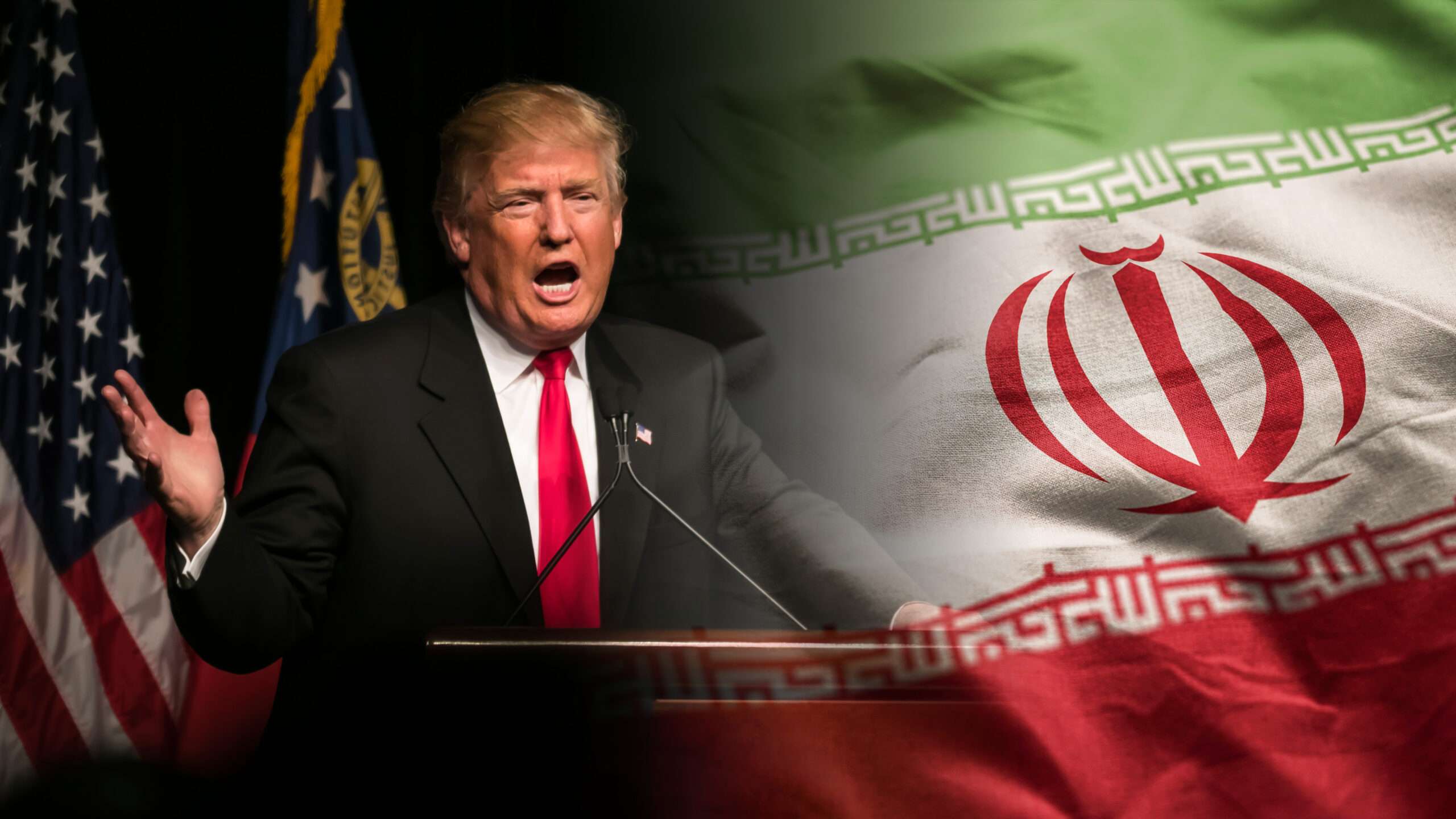
In 2020, I argued in Originalism and Birthright Citizenship that the original meaning of the Fourteenth Amendment's Citizenship Clause guaranteed U.S. citizenship to almost everyone born in the United States apart from the children of foreign diplomats and (at the time it was adopted) tribal Native Americans. President Trump's 2025 executive order purporting to exclude from birthright citizenship the U.S.-born children of temporary visitors and of persons not lawfully present in the United States has brought the issue to the forefront and inspired prominent originalist counterarguments. In particular, two leading originalist-oriented scholars—Kurt Lash and Ilan Wurman—separately argue that the original meaning's citizenship guarantee is narrower than I contended.
This Article responds to these new originalist assessments of the Citizenship Clause. Notably, although these scholars both reject the broadest reading of the Citizenship Clause, they disagree between themselves as to the clause's correct reading and scope. Professor Lash's account would exclude U.S.-born children of parents unlawfully present in the United States (thus defending the executive order only in part). Professor Wurman argues that the clause may guarantee citizenship to U.S.-born children of alien parents only if the parents are lawful permanent residents; this approach would find the President's executive order consistent with the clause's original meaning.
Evaluating each of these contentions in turn, this Article concludes that neither of them is persuasive. Rather, this Article reaffirms the conclusion that the Citizenship Clause's broad language ("All persons born… in the United States and subject to the jurisdiction thereof, are citizens of the United States….") encompasses all U.S.-born persons over whom the United States exercised sovereign authority at birth.
This article, like other recent work, adds to the ongoing debate about the precise scope of the Fourteenth Amendment's citizenship clause.
I continue to believe the arguments for the conventional account are more compelling than the revisionist accounts that would undermine the scope of birthright citizenship, particularly if one believes the question should be answered by the original public meaning of the clause, as opposed to a living constitutionalist theory. I also believe the question that is most up for debate is not the operation of the clause itself, but the extent to which Congress may adjust the contours of birthright citizenship by using its Section Five power to define or redefine what it means to be subject to the jurisdiction of the United States. Yet because Congress has made no effort to enact such legislation, that is not a question that bears on the proper resolution of Barbara v. Trump, the case the Supreme Court will consider this spring. It is rather a question for another day.







.png)






.jpg)



 English (US) ·
  French (CA) ·